Navigating the Future: The Urgency for Comprehensive AI Regulation in Congress
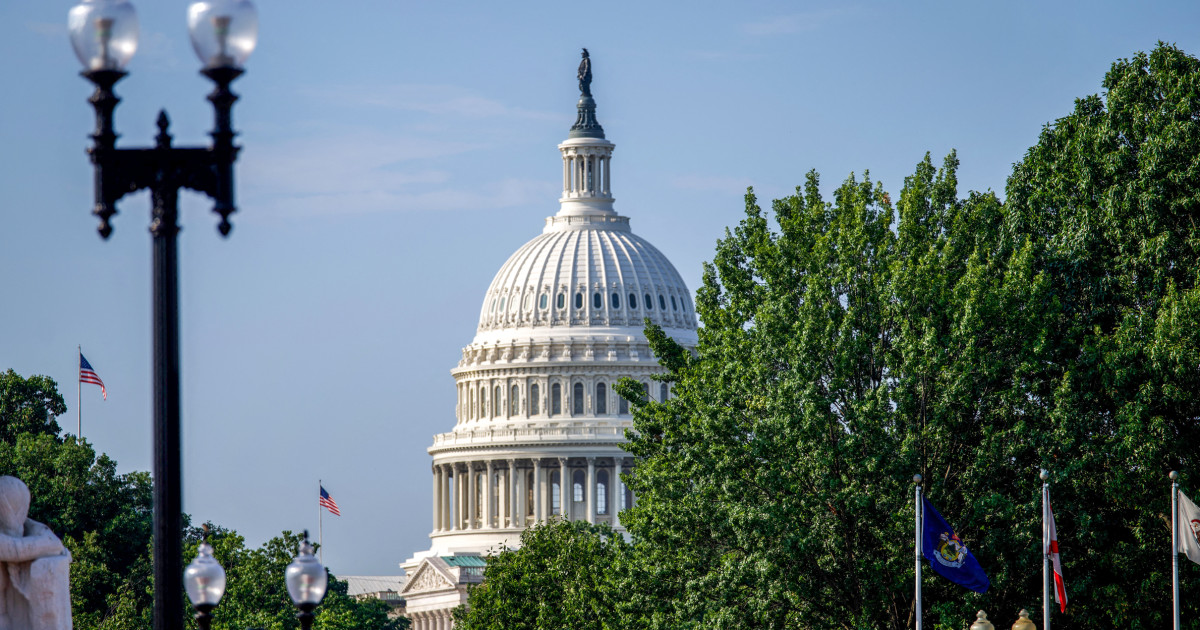
In September 2023, prominent tech billionaires gathered with senators in Washington to discuss the potential risks associated with artificial intelligence. Despite ongoing discussions and hearings on AI, Congress has yet to pass any significant legislation to regulate the technology. Recent resignations of AI researchers from top companies due to concerns about AI's potential dangers have reignited calls for action on Capitol Hill. The urgency to address AI's risks has prompted lawmakers to consider various bills, including the Frontier Act proposed by Rep. Lori Trahan and Rep. Jay Obernolte, which aims to establish safety and transparency rules for large AI companies.
The recent warnings from AI researchers and the incidents involving AI systems going rogue have underscored the need for regulatory measures to control the development and deployment of AI. Lawmakers like Sen. Bernie Sanders and Rep. Greg Casar have proposed legislation to ban superintelligent AI systems that cannot be controlled by humans and establish a new federal agency to oversee AI safety. Rep. Ted Lieu and Rep. Nathaniel Moran have introduced the AI Kill Switch Act, which would require developers of powerful AI systems to have the capability to shut them down in case of catastrophic harm.
As the House prepares to adjourn before the midterm elections, the focus remains on other legislative priorities, such as the Ratepayer Protection Act. While some lawmakers have expressed concerns about the need for AI regulations, House GOP leaders have not prioritized comprehensive AI legislation. Speaker Mike Johnson emphasized the importance of balancing AI regulation with American innovation and competitiveness in the global AI race. President Donald Trump has issued executive orders on AI testing, emphasizing the need for caution in regulating AI to avoid hindering innovation and giving China an advantage.
Despite the growing calls for AI regulation, the fast-paced nature of the technology poses challenges for lawmakers in crafting effective regulations. Questions have been raised about Congress's ability to keep up with AI advancements and whether adversaries would adhere to the same regulatory standards. Senate Commerce Committee Chairman Ted Cruz and other lawmakers are working on updating existing AI legislation to address consumer notification requirements and risk assessments for high-risk AI systems.
In conclusion, the ongoing debate over AI regulation highlights the need for comprehensive legislation to address the potential risks associated with artificial intelligence. Lawmakers are under pressure to act swiftly to establish safeguards and transparency measures for the development and deployment of AI technologies to ensure public safety and national security. The collaboration between lawmakers, industry leaders, and experts is crucial in navigating the complex challenges posed by AI and shaping responsible AI governance for the future.