Insights into the War with Iran: Pentagon's Report on Supply Chain Challenges and Costs
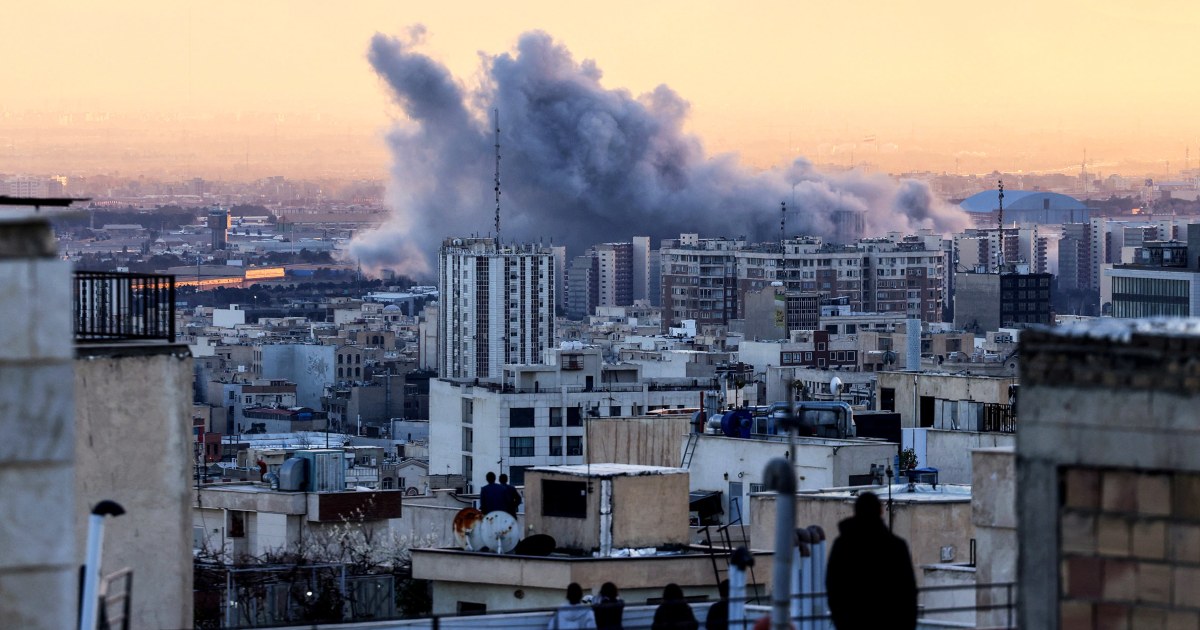
The Pentagon's inspector general recently released a report on the ongoing war with Iran, highlighting a shortage of U.S. munitions and supply chain bottlenecks. The Defense Department is taking steps to address these challenges by streamlining procurement processes and stockpiling critical materials and munitions for rapid response to contingencies.
The report covers the period from the start of the war in February to June and provides insights into the cost, scope, and impact of the conflict on the U.S. military and other agencies. It confirms Iran's targeting of the U.S. Navy's logistics hub in Bahrain and details the damage to military equipment and assets in the region.
The war with Iran has cost approximately $33.4 billion, with significant expenditures on munitions, equipment losses, and other expenses. The report does not include the cost of repairing damaged facilities, which could further increase the overall cost of the conflict.
The conflict has displaced over 20,000 U.S. military and diplomatic personnel, who were relocated at the onset of the war. Medical evaluations of injured personnel were conducted on the ground due to limited air lift capabilities, and U.S. forces conducted thousands of flights from European bases in support of the war.
The report also highlights the damage to U.S. aircraft and military gear, including the destruction of drones and aircraft like F-15E jet fighters, F-35A Joint Strike Fighter, and A-10 Warthog. The State Department incurred over $208 million in damages in countries like Iraq, Kuwait, Saudi Arabia, and the UAE, affecting diplomatic facilities and construction projects.
In conclusion, the report sheds light on the challenges and costs associated with the war with Iran, emphasizing the need for strategic planning and resource management to address supply chain issues and ensure readiness for future contingencies.