Faith Communities and Immigration Enforcement: The Ongoing Legal Battles in the Twin Cities
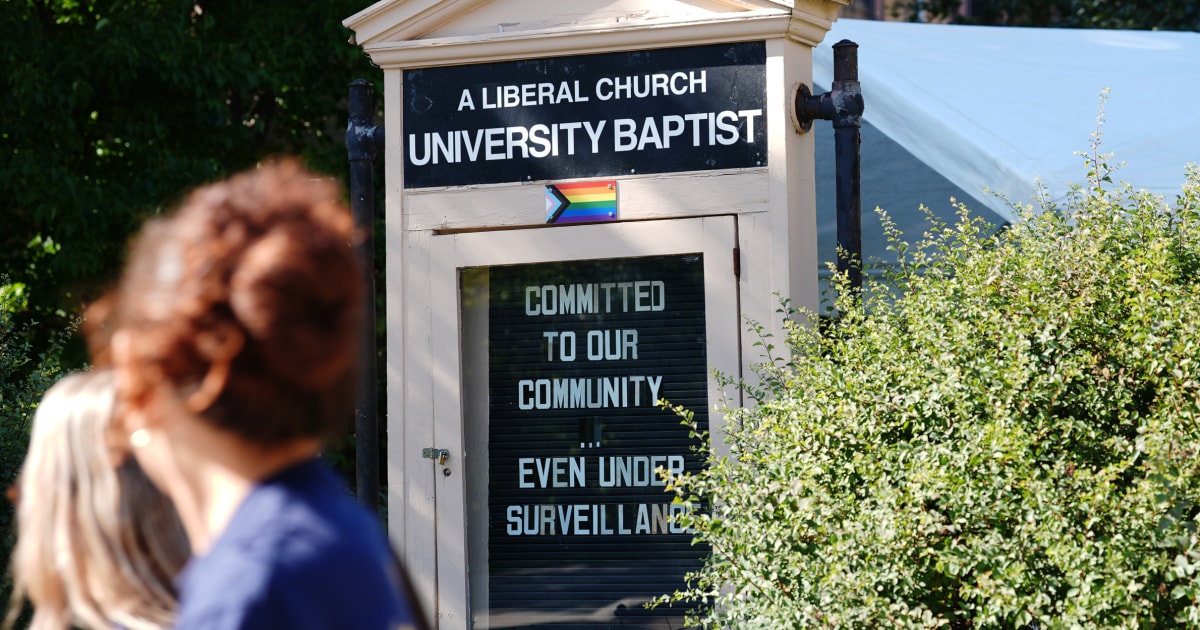
The ongoing debate surrounding immigration enforcement and faith communities in the Twin Cities is a contentious issue that has persisted for over six months. Various court cases involving churches in Minneapolis and St. Paul have brought to light the clash between government policies and religious beliefs. The Minneapolis Baptist church, along with other congregations nationwide, has challenged government surveillance of protest-related activities on its premises. In St. Paul, protesters disrupted a worship service at a church where one of the pastors was an ICE official, leading to legal repercussions for the demonstrators.
The impact of the federal surge in immigration operations last winter continues to reverberate through faith communities, even for those not directly involved in the court cases. Holy Trinity Lutheran Church in Minneapolis, for example, remains a sanctuary for many individuals, with signs declaring "Everyone is welcome here! Except I.C.E." still displayed. The church's pastor, Rev. Ingrid Rasmussen, emphasizes the importance of maintaining a welcoming environment for all, despite the absence of visible immigration agents in the area.
Faith communities have a long history of supporting immigrants and refugees, both within their congregations and through advocacy efforts. President Trump's administration's crackdown on illegal immigration has led to increased tensions between religious groups and federal authorities. Lawsuits filed by religious organizations against the government reflect a growing resistance to aggressive enforcement tactics. The legal battles highlight the contentious relationship between faith leaders and immigration authorities, with ongoing litigation challenging the administration's approach.
The court cases in Minnesota revolve around the protection of sacred spaces and the right to worship without interference. The legal disputes address government intrusion into religious activities and protests against immigration enforcement. Surveillance operations conducted by federal agents at University Baptist Church in Minneapolis have raised concerns among congregants, prompting a renewed commitment to advocacy efforts. The church's interim pastor views the surveillance as a call to action to support vulnerable communities and uphold the values of compassion and justice.
The cases involving the anti-immigration enforcement protest at Cities Church in St. Paul underscore the broader debate over civil rights and religious freedom. Dozens of individuals facing federal charges for disrupting a worship service have raised objections to the prosecution, citing selective enforcement and government intrusion into sacred spaces. The legal proceedings highlight the complex intersection of faith, activism, and government policies, with implications for the protection of religious liberties and the rights of worshippers.