Exploring the Texture Trend: How Mouthfeel is Shaping the Food Industry
Texture is currently a major trend in the food and beverage industry, with many consumers placing as much importance on how a food item feels in their mouth as they do on its flavor. This focus on "mouthfeel" has led to the development of innovative products like Starbucks' Aerocano, PowerCrunch protein bars, and Trolli Gummi Popz. Companies like Puratos emphasize that texture has become a defining aspect of food quality, shaping how consumers evaluate and choose their food products.
This texture trend is not limited to a specific region but is a global phenomenon. From stretchy yogurt in China to crunchy-coated marshmallow candies in Sweden, food creators worldwide are experimenting with different textures to enhance the eating experience. Parisian bakers are even combining textures in pastries like the crookie, a crispy croissant with a soft chocolate chip cookie inside. The shift towards considering the entire eating experience, not just flavor, is evident in the customization options offered by Dutch Bros Coffee, allowing customers to add toppings like whipped foam and juice-filled balls to their drinks.
Consumers often describe the texture of food when discussing its taste, highlighting the integral role texture plays in the overall eating experience. Food makers have a long history of playing with consistency, from Japanese mochi to Turkish ice cream. However, the recent surge in interest in texture, as noted by market research company Mintel, has led to a broader exploration of textures in various products beyond food, such as toys and beauty items. The popularity of multi-textured products like the Cronut has fueled this fascination with food textures, creating new expectations for product experiences.
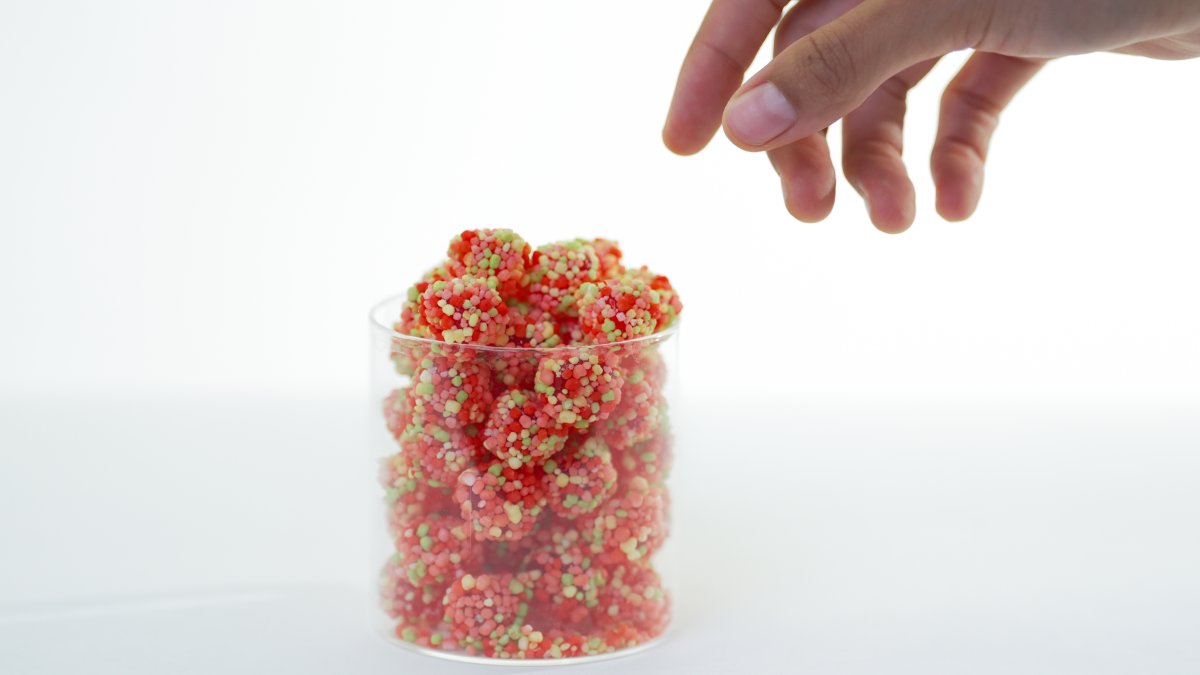
The COVID-19 pandemic further heightened interest in texture, as people sought sensory engagement due to temporary loss of smell and taste. Companies like Ferrara responded to this trend by introducing products like Nerds Gummy Clusters and Gummi Popz, which offer a combination of chewy and crunchy textures. The contrast created by layers of texture enhances the perception of indulgence and quality in food products, prompting consumers to pay closer attention to what they eat. Meeting consumers' evolving texture preferences poses a challenge for the food industry, with companies like McDonald's adjusting recipes to meet customer expectations and Ingredion developing innovative solutions to maintain food textures during delivery.
Looking ahead, there is a lot of potential for innovation in texture, with companies expected to explore the texture needs of different demographics and continue to experiment with multi-layered snack foods. As consumers increasingly seek out foods with novel physical properties, there is a growing need for food companies to better communicate texture-related information on product packaging. Despite being underrated, texture plays a powerful role in enhancing the overall food experience and making snacks more satisfying.