The Pardon Economy: Inside the Murky World of Clemency Brokers in Washington
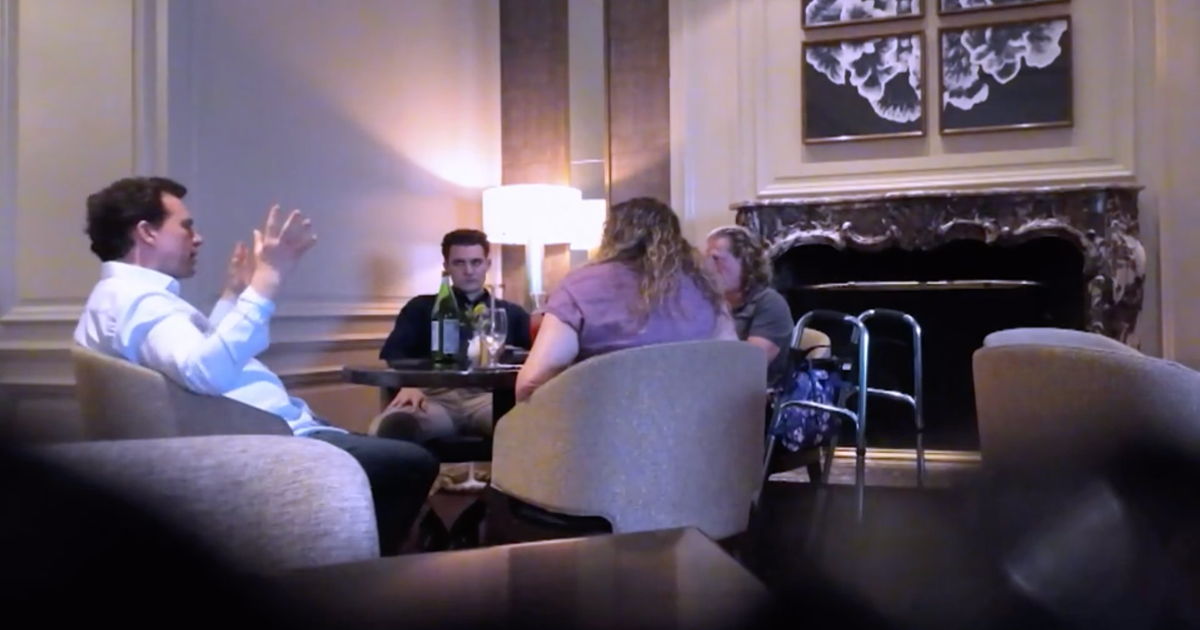
In a luxurious bar at the Ritz-Carlton hotel in Tysons Corner, Virginia, Jack Burkman and Jacob Wohl were pitching their services to Ammon Covino, a convicted felon seeking a pardon from President Trump. Burkman and Wohl, known for their lobbying and right-wing activities, were part of a growing industry of brokers targeting pardon-seekers. They offered Covino a pardon for $300,000, promising quick results by October. However, their meeting was part of an investigation by CBS News into the world of pardon brokers, revealing the murky landscape of clemency-seeking in Washington.
The traditional image of a pardon recipient as a repentant individual seeking mercy has been challenged over the years by controversial pardons granted by presidents. President Trump's approach to clemency, particularly in his second term, has raised eyebrows with a significant number of pardons granted to individuals connected to the Capitol riot and white-collar criminals. The rise of a pardon economy in Washington, fueled by MAGA-connected brokers and influencers, has shifted the norms of the clemency process, sidelining the traditional Justice Department route.
Brokers like Burkman and Wohl navigate the clemency process by leveraging their contacts in the White House and promising access to the president for a hefty fee. The system, once overseen by the Justice Department, has now become a Wild West of clemency, where influence and access are traded for exorbitant sums. The shift away from the Justice Department's involvement has led to a surge in clemency actions not routed through the traditional channels, raising questions about the transparency and fairness of the process.
The meeting at the Ritz-Carlton highlighted Burkman and Wohl's tactics in approaching the president from multiple angles to secure a pardon for their clients. They emphasized the need for relentless pressure on the president to sign off on pardons, portraying themselves as facilitators navigating the complexities of Washington. The brokers' efforts to enlist influencers and insiders to advocate for their clients underscored the blurred lines between access and influence in the clemency process.
The case of Joseph Schwartz, a nursing home operator who received a pardon from President Trump, shed light on the controversial nature of some clemency decisions. Schwartz, convicted of tax evasion and Medicaid fraud, paid nearly a million dollars to Burkman and Wohl for their lobbying services. The pardon, granted three months into Schwartz's prison sentence, drew criticism from victims of his nursing home empire, who felt betrayed by the system. The pardon economy's impact on individuals like Schwartz and the victims of his crimes highlighted the ethical dilemmas surrounding clemency decisions.
As the pardon economy thrives in Washington, the role of brokers like Burkman and Wohl in securing clemency for their clients has come under scrutiny. The promise of access to the president and the use of influencers to advocate for pardons raise questions about the fairness and transparency of the clemency process. The evolving landscape of clemency-seeking, marked by the rise of a pay-to-play marketplace, challenges the traditional norms of presidential pardons and underscores the need for greater oversight and accountability in the pardon system.