Securing America's Future: The Race to Replenish High-Tech Weapon Stockpiles
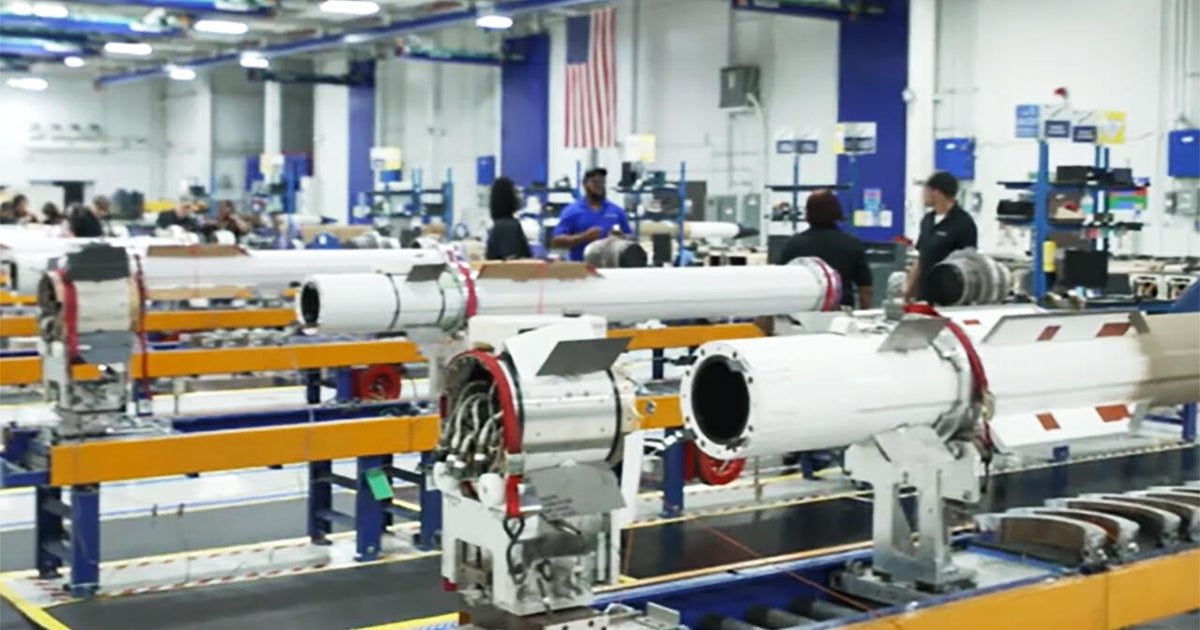
Lockheed Martin's production facility in Camden, Arkansas, is where the latest model of the Patriot air defense missile is being manufactured. The Patriot missile is designed to intercept and destroy incoming ballistic missiles, using a "bullet hitting a bullet" approach. Each missile costs around $4 million, and Lockheed Martin is currently producing 750 of them annually, which is insufficient to replace the estimated 1,500 missiles used in the war against Iran.
The war with Iran has highlighted a significant shortage of high-tech weapons, which was previously overlooked by both Democratic and Republican administrations. The conflict in Ukraine served as a wake-up call, revealing the lack of adequate inventories and surge capability for prolonged conflicts. The U.S. military has already expended approximately $25 billion worth of munitions in the war against Iran.
Following the increased military aid to Ukraine and the conflict with Iran, the U.S. is facing challenges in maintaining sufficient weapon stockpiles for potential conflicts, particularly against China. The Pentagon refutes claims of munition shortages, emphasizing the need to bolster weapons production to meet wartime demands. Lockheed Martin plans to ramp up Patriot production to 2,000 missiles per year by implementing additional shifts and automation on the assembly line.
The production of Patriot missiles involves assembling over 4,000 parts, which can take up to two years to manufacture. Lockheed Martin relies on a complex supply chain of 500 to 1,000 suppliers, leading to potential bottlenecks in production. The rocket motors for the Patriot are manufactured by L3Harris under strict safety regulations, with production times ranging from days to weeks.
The U.S. defense budget has reached record levels, prompting a push for increased efficiency and urgency in rebuilding the country's arsenal. Companies like CoAspire are developing low-cost cruise missiles to enhance the military's capabilities. CoAspire's cruise missile, with just 200 parts, offers a cost-effective alternative to traditional high-tech missiles and is intended to overwhelm enemy air defenses.
While Lockheed Martin secures multi-billion-dollar contracts for high-performance weapons like the Patriot, startups like CoAspire are focusing on producing affordable and high-volume missile solutions. The process of replenishing weapon stockpiles to pre-war levels could take anywhere from one to five years, depending on the type of munition. The ultimate goal is to reach a level of readiness that can effectively address potential conflicts, particularly against formidable adversaries like China.