Engaging Black Men in Politics: Insights from Khalil Thompson's Barbershop Discussion
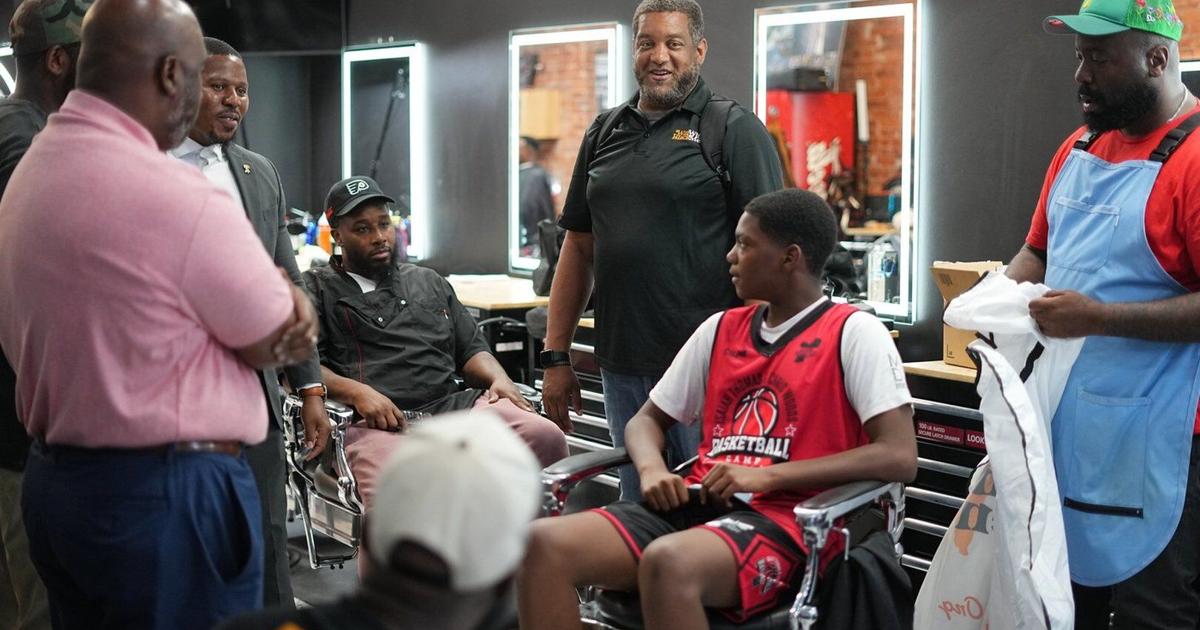
Political strategist Khalil Thompson has been investigating why some Black men leaned towards a white Republican rather than supporting a Black woman like Kamala Harris after the 2024 presidential election. Thompson's organization, Win With Black Men, organized a discussion at a Philadelphia barbershop to engage the community in conversations about their priorities and concerns. The conversation highlighted the importance of understanding the diverse needs and perspectives of Black men across different regions and backgrounds.
The discussion at the barbershop touched on various topics, including the representation of Black men in education, access to role models, economic opportunities, and government investment in communities. Participants expressed disillusionment with politics and emphasized the need for tangible actions to address systemic issues. The conversation underscored the importance of engaging Black men in policy discussions and mobilizing them to participate in civic activities.
As the political landscape evolves, Black men are increasingly recognized as a crucial voting group with unique historical experiences that shape their voting patterns. With disparities in wealth, employment, and incarceration rates, Black men have distinct concerns that political strategists are taking into account. The upcoming 2028 elections are expected to see heightened efforts to engage and mobilize Black male voters across different demographics and regions.
Political outreach efforts targeting Black men are focusing on delivering inspirational messages and addressing key issues such as policing, civil rights, and economic discrimination. The discussions at the barbershop highlighted the importance of understanding the complexities of Black men's experiences and tailoring campaign outreach to resonate with their priorities. Moving forward, engaging Black men in the political process and empowering them to make informed decisions will be crucial in shaping future elections and policy outcomes.