Dark Horse: Brazilian Supreme Court Investigates Funding of Controversial Film Linked to Bolsonaro Family
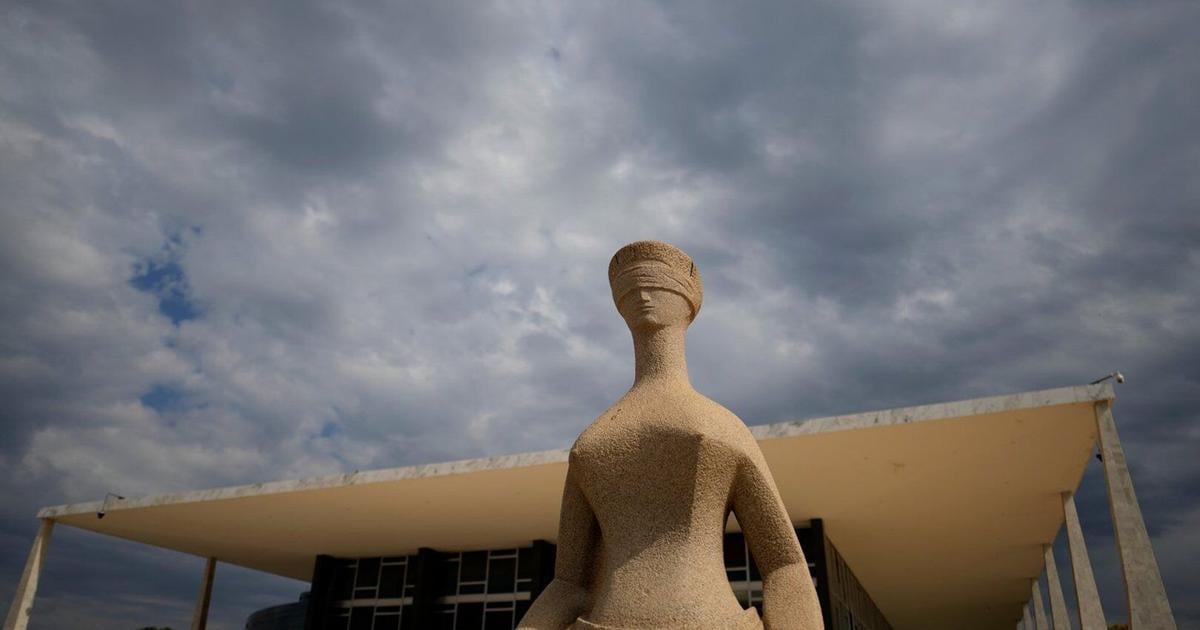
A Brazilian Supreme Court justice has initiated an investigation into the funding of a film about former President Jair Bolsonaro, suspecting ties to a criminal network. The investigation could complicate matters for Sen. Flávio Bolsonaro, who is facing corruption allegations. The film, titled "Dark Horse," received financing from a disgraced banker, leading to suspicions of money laundering and tax evasion.
Justice Flávio Dino highlighted the possibility of a sophisticated scheme involving the diversion of public funds through federal congressional budget amendments and the Sao Paulo city government. The investigation also targeted federal lawmaker Mário Frias, a Bolsonaro ally, who allegedly channeled funds to the film's production company. The police suspect irregular subcontracting of services without evidence of their provision.
Frias, who previously held a cabinet position during Bolsonaro's term, denied any wrongdoing and refuted claims of allocating congressional budget funds for the film's production. The investigation suggests that Frias played a central role in the alleged criminal network, which may have ties to the criminal organization First Command of the Capital (PCC).
The Supreme Court has been embroiled in turmoil, with allegations of graft, political bias, and police interference affecting its members. The chaos stems from the collapse of Banco Master, a bank involved in a fraud scheme worth billions of reais. The former CEO of Banco Master, Daniel Vorcaro, had connections to high-ranking politicians and Supreme Court justices, including Alexandre de Moraes.
In conclusion, the investigation into the funding of the film about Jair Bolsonaro has raised suspicions of financial irregularities and ties to a criminal network. The Supreme Court's involvement in the case reflects the ongoing challenges of corruption and political interference in Brazil's judicial system.