Battleground in the Central Valley: Economic Struggles, Voter Apathy, and the Fight for the 22nd District
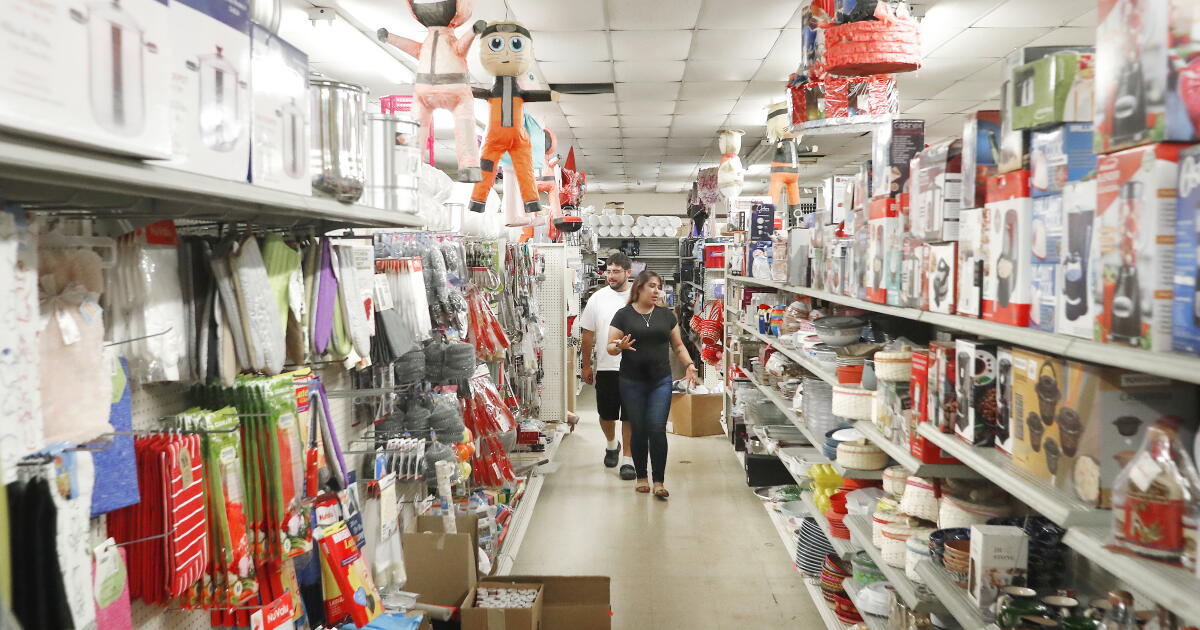
In the heart of Delano, California, the Guadalajara Meat Market sees a decline in customers opting for only essential purchases amidst rising costs for owner Carina Murillo. The economic challenges faced by working-class Americans are evident in this predominantly Latino Central Valley district, where the upcoming House race between Republican Rep. David Valadao and Democrat Randy Villegas is closely watched. The district's young population, including Gen Z and millennial voters, could sway the election outcome, making it a key battleground for both parties as they vie for support in the upcoming midterm elections.
The 22nd District, known for its agricultural roots, is one of the few toss-up races that could determine the balance of power in the U.S. House. Valadao, a familiar figure in the district, faces scrutiny for his vote on the One Big Beautiful Bill Act, which included Medicaid cuts affecting local hospitals. Villegas, endorsed by Sen. Bernie Sanders, aims to appeal to swing voters with a more public-facing approach, emphasizing progressive issues tailored to Central Valley voters. Both candidates are navigating a landscape where economic concerns, exacerbated by factors like rising housing and gas prices, weigh heavily on residents.
Residents like Tyler Stidham and Emma Woodward express frustration over the lack of economic relief, with many struggling to make ends meet. The uncertainty and financial strain have left voters like Woodward feeling disillusioned with the government's ability to address their needs. As Valadao and Villegas campaign to win over undecided voters and combat voter apathy, the challenge lies in convincing residents that their voices matter and that change is possible. In a district where hope for meaningful policy change is scarce, engaging disillusioned voters and inspiring them to participate in the democratic process is crucial for both candidates.
As the November election approaches, the Central Valley district grapples with a mix of economic hardship, voter fatigue, and a sense of disillusionment with the political system. Murillo's market serves as a microcosm of the challenges faced by working-class communities, highlighting the need for political leaders to address the pressing concerns of residents like her. With the fate of the House race hanging in the balance, both Valadao and Villegas must navigate a landscape where voter apathy and economic struggles threaten to overshadow the political discourse. In a district where every vote counts, the upcoming election will test the candidates' ability to connect with disillusioned voters and inspire them to participate in shaping the future of their community.