Understanding the Potential of Blood Tests for Alzheimer's: Promising Advancements and Cautionary Considerations
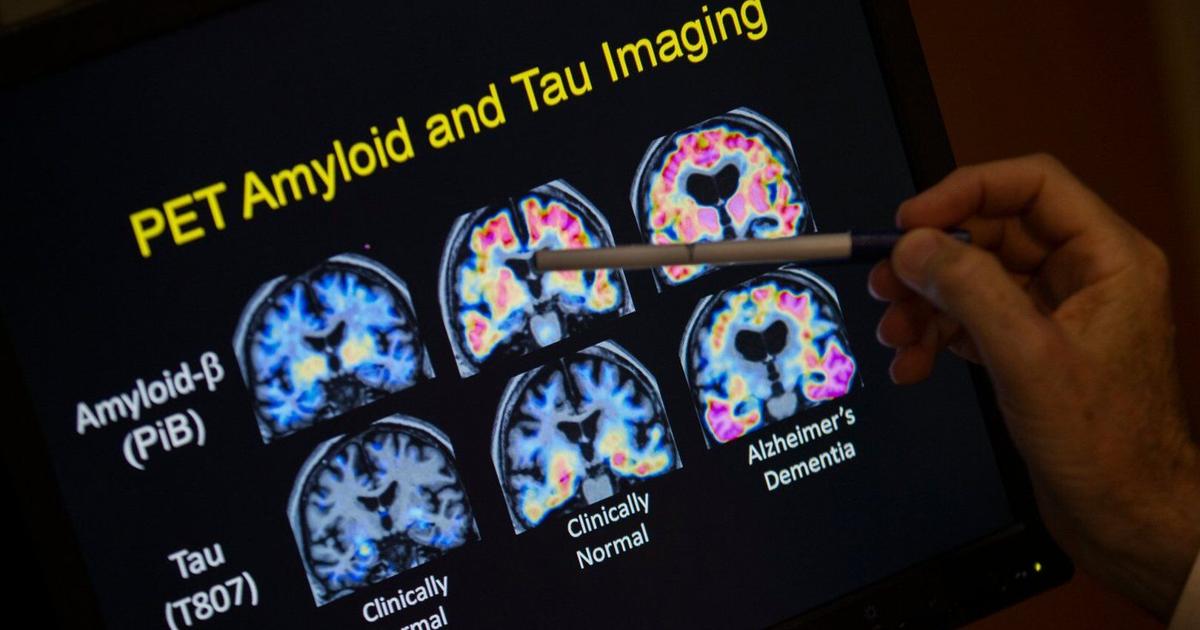
New advancements in blood tests that could potentially predict Alzheimer's disease before symptoms appear have caught the attention of those concerned about dementia in later life. However, healthcare professionals caution that these tests are not yet fully developed and emphasize that individuals can take steps to reduce their risk of developing the disease without the need for a test.
The U.S. Food and Drug Administration has approved four blood tests to aid in diagnosing Alzheimer's specifically, distinguishing it from other forms of dementia or cognitive issues. Some private laboratories and online platforms also offer their own versions of these tests. Early detection can enable individuals with early-stage Alzheimer's to access medications that may help slow the progression of their symptoms.
While the promise of blood tests for Alzheimer's is exciting, experts stress that these tests are not yet ready for widespread use. In the meantime, individuals can focus on lifestyle changes that may reduce their risk of developing the disease, such as maintaining a healthy diet, staying physically active, and engaging in mental stimulation activities.
In conclusion, while the potential for blood tests to predict Alzheimer's disease is promising, it is essential to exercise caution and wait for further developments before relying on these tests. In the meantime, individuals can take proactive steps to lower their risk of Alzheimer's through healthy lifestyle choices.