Legal Complexities of Citizenship: American Samoan Voter Misconduct Case in Whittier, Alaska
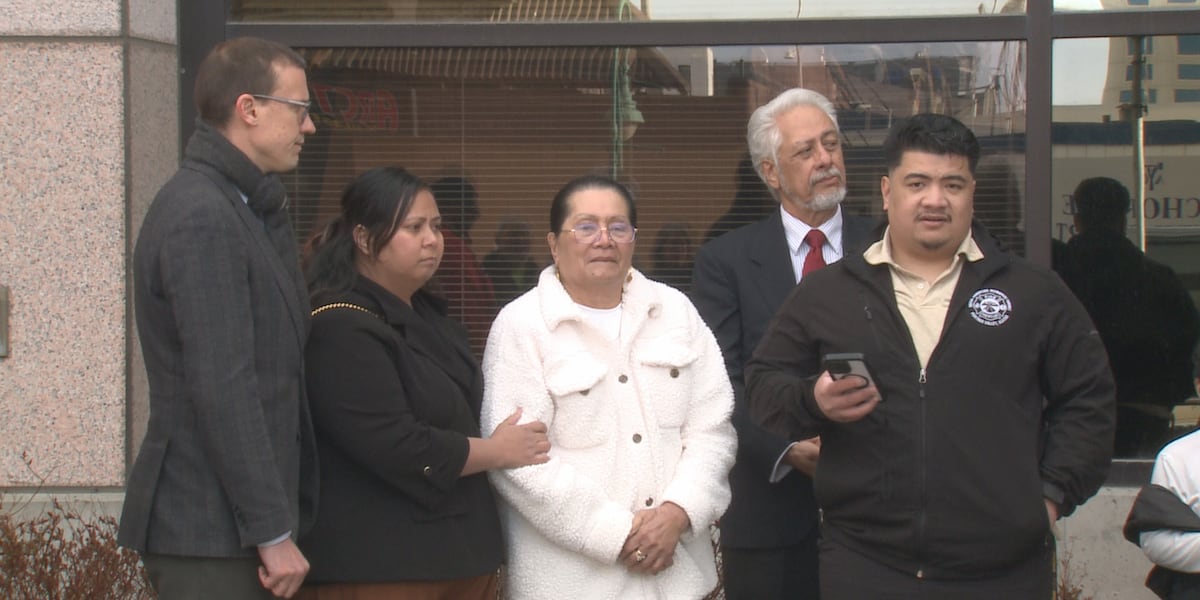
A voter misconduct case against nine American Samoan residents in Whittier, Alaska, was recently dropped by the state. The defendants were accused of falsely claiming to be U.S. citizens on state voting forms. The case involved allegations of intentional false statements under Alaska election law. One of the defendants, Tupe Smith, clarified that she was a U.S. national and not a U.S. citizen, but was directed to mark herself as a citizen on voter registration forms due to a lack of a specific option for nationals.
The state had initially charged the defendants with first-degree voter misconduct, but later dropped the case after reevaluating the evidence and legal standards. The legal battle in Whittier highlighted the complexities surrounding citizenship status, especially for individuals born in U.S. territories like American Samoa. The state's decision to dismiss the charges came after a Court of Appeals ruling that clarified the requirements for proving voter misconduct in such cases.
The Whittier residents who were part of the voter misconduct case were among a group of American Samoans who faced scrutiny over their citizenship status in 2024. The Alaska State Troopers had conducted door-to-door inquiries in the Begich Towers Condominium, where most of Whittier's population resides, following a complaint about noncitizen voting. The case raised concerns about the interpretation of birthright citizenship laws and the treatment of individuals born in U.S. territories.
The state's decision to drop the voter misconduct charges against the American Samoan residents in Whittier reflects a reevaluation of the legal standards and evidence in the case. The complexities surrounding citizenship status, especially for individuals born in U.S. territories, continue to be a topic of debate and legal scrutiny. The dismissal of the case underscores the need for clarity and consistency in applying voter misconduct laws to ensure fair treatment of all individuals.