El Niño's Influence: A Quiet Atlantic Hurricane Season and Heightened Pacific Storm Activity
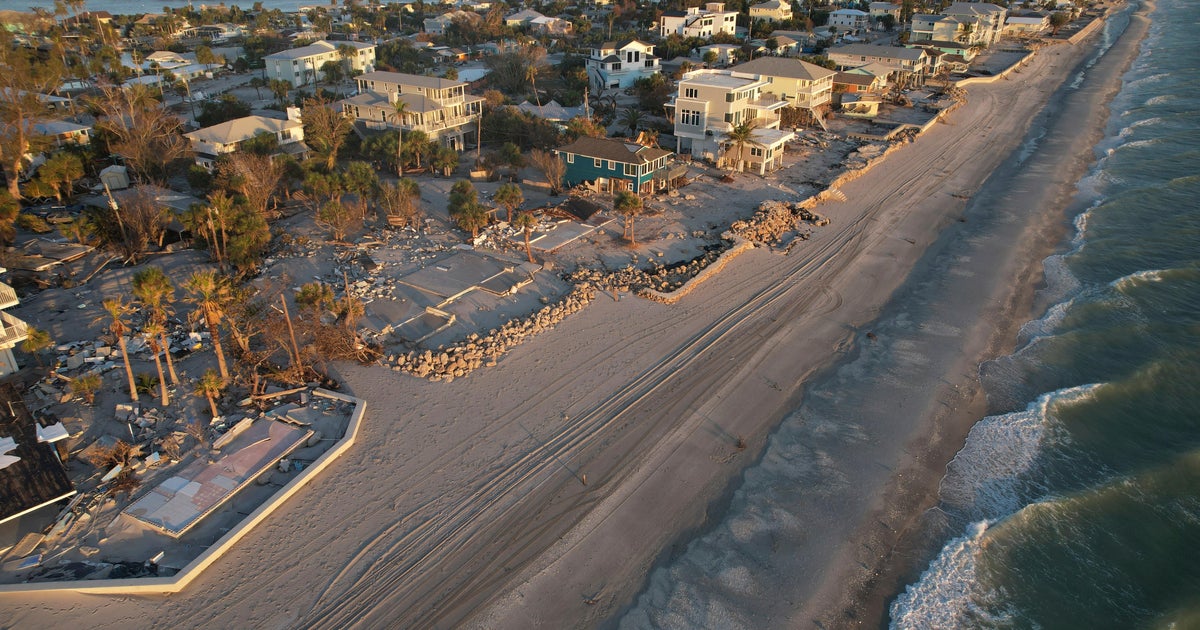
The Atlantic hurricane season has been unusually quiet this year due to the strong El Niño phenomenon suppressing storm development. No hurricanes have formed so far, and only five weak tropical storms have occurred. This season has set a record for the latest start without a hurricane reaching the threshold wind speed. Experts warn that despite the calm season, residents should remain vigilant as a single storm can still cause significant damage.
El Niño creates unfavorable conditions for tropical cyclone formation in the Atlantic by introducing strong winds, dry air, and sinking air that inhibit storm development. The wind shear caused by El Niño can tear apart developing storms, making it difficult for them to intensify. The Gulf of Mexico remains an area to watch for potential storm activity later in the season, as wind shear has been lower in that region.
The Atlantic waters, although warm, have not warmed up as quickly as the atmosphere due to the El Niño effect. This temperature difference between the air and water plays a crucial role in storm formation, with warmer air hindering storm activity. Despite the warm ocean temperatures, El Niño's influence has suppressed storm development in the Atlantic this season. However, experts predict that next year could see increased storm activity as El Niño weakens and warm water persists.
In contrast to the quiet Atlantic season, the Pacific has experienced heightened tropical cyclone activity, with the eastern and central Pacific regions seeing above-average storm numbers. The El Niño conditions in the Pacific have led to a flurry of storms, impacting regions like Hawaii. The forecasters had anticipated a slow Atlantic hurricane season due to El Niño, but the extent of the calm season has surprised many experts.
In conclusion, the Atlantic hurricane season has been remarkably quiet this year, with El Niño suppressing storm development. While the lack of hurricanes may seem reassuring, residents should remain prepared for potential storm threats, as conditions can change rapidly. The Pacific, on the other hand, has seen increased storm activity, highlighting the contrasting impacts of El Niño on tropical cyclone formation in different ocean regions.