Debating the Impact of Proposed Changes to the U.S. Census: Exclusion of Immigrants and Key Demographic Data
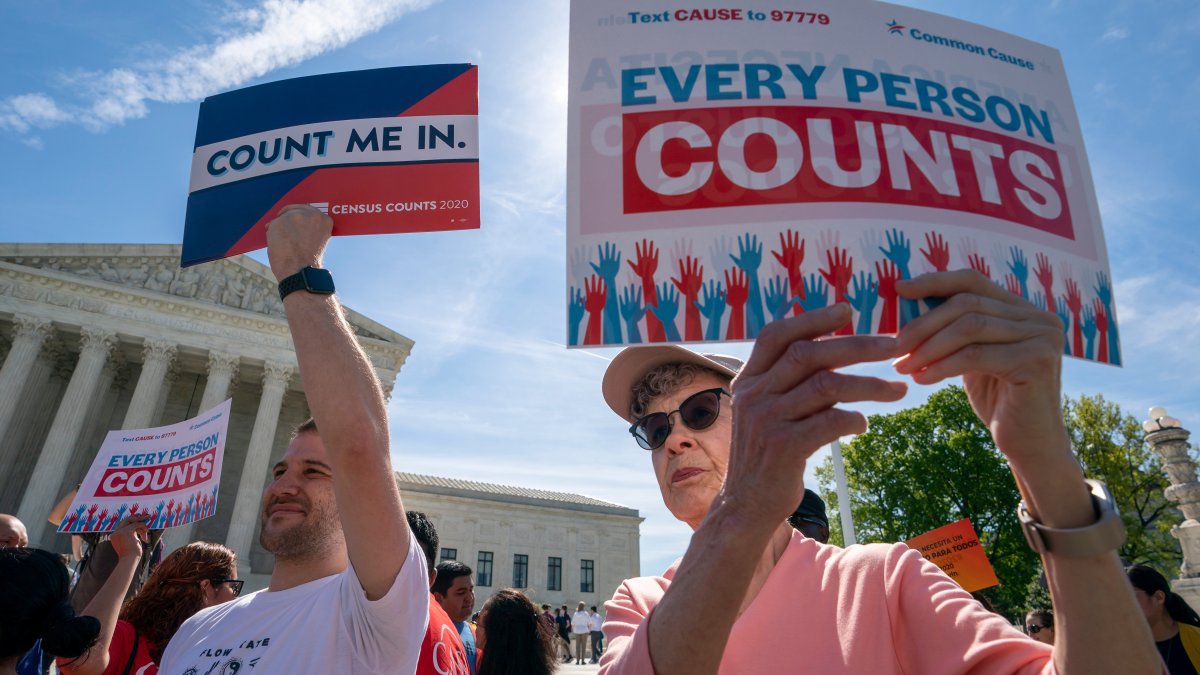
The proposed changes by the Trump administration for the U.S. Census could have significant implications, potentially excluding millions of immigrants and altering key racial and ethnic data. The changes would involve excluding undocumented immigrants, asylum seekers, and individuals without permanent status, as well as eliminating certain demographic questions from the traditional questionnaire. The U.S. Census Bureau argues that illegal aliens should not be included in the apportionment count, emphasizing the importance of a colorblind census without questions about immaterial personal characteristics.
These proposed changes have raised concerns about the quality of the data collected. Beth Jarosz, a data researcher, and vice president of the Association of Public Data Users, described the proposals as unprecedented and highlighted the potential risks of not counting all residents accurately. The accuracy of census data is crucial for various purposes, including determining political representation, allocating resources, and responding to public health emergencies or disasters.
The decennial census plays a significant role in determining the number of seats each state will have in the U.S. House of Representatives and the Electoral College. Any undercounts or inaccuracies in the census data could lead to diluted political power and representation for certain communities. The inclusion of race and ethnicity data in the census is essential for researchers to analyze discrimination, crime rates, and wealth disparities in communities of color.
Manjusha Kulkarni, co-founder of Stop AAPI Hate and executive director of AAPI Equity Alliance, expressed concerns about the potential impact of the proposed changes on Asian Americans and Pacific Islanders. Excluding important demographic data could hinder the work of lawmakers, health care providers, public safety officials, and community advocates in ensuring the well-being of all Americans. The exclusion of race and ethnicity data and certain immigrant populations could send a message that these communities are not valued.
In conclusion, the proposed overhaul of the U.S. Census by the Trump administration has sparked debates about the potential exclusion of immigrants and key demographic data. The accuracy of census data is crucial for political representation, resource allocation, and addressing societal disparities. Any changes that compromise the inclusivity and integrity of the census could have far-reaching consequences for various communities and the nation as a whole.