Addressing Cancer Drug Shortages in the United States: Challenges and Solutions
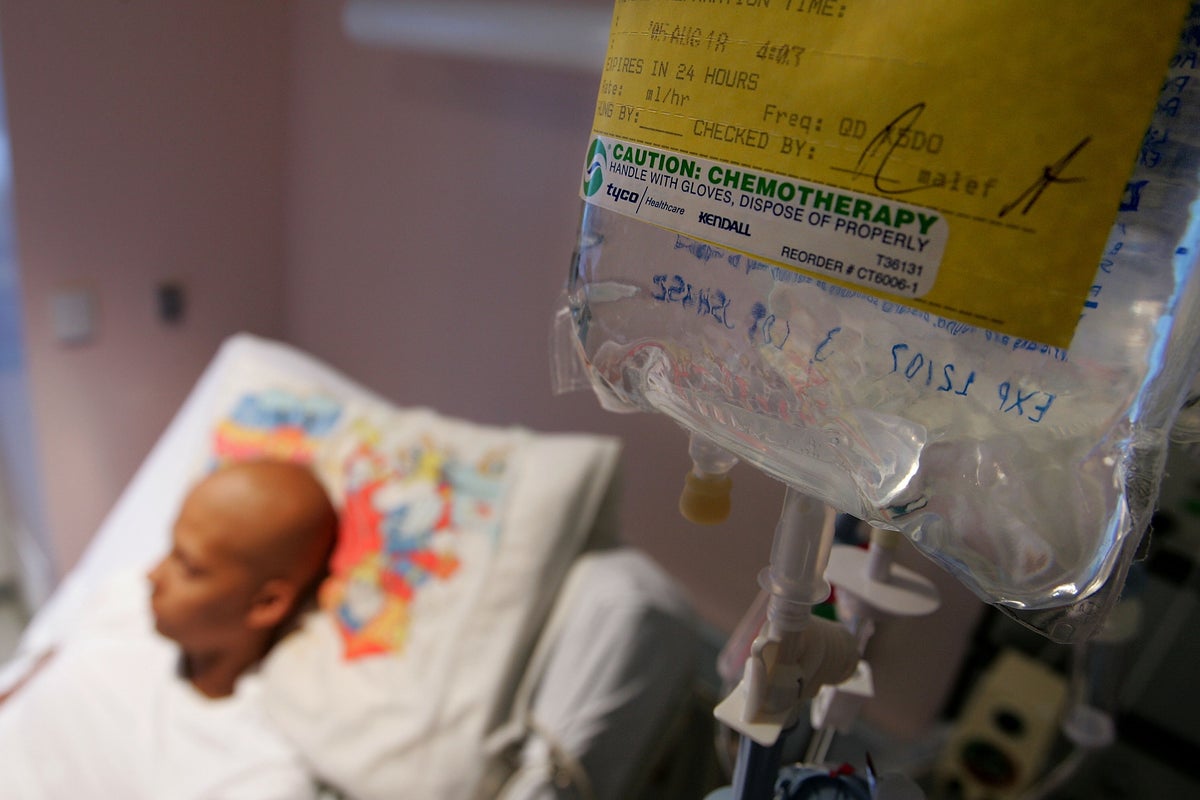
Cancer treatment centers in the United States are facing a persistent shortage of cancer drugs, impacting patient care, according to a recent survey of over 30 academic facilities. The survey revealed that all centers experienced shortages of at least one anti-cancer therapy, with more than 20 percent facing shortages of five or more medications. These drugs are crucial in treating various types of cancer, such as testicular, bladder, uterine, ovarian, lung, and breast cancer.
Despite efforts to manage the shortages and maintain patient care and clinical trials, the ongoing lack of essential drugs like carboplatin, ifosfamide, and cisplatin poses challenges for cancer care centers. Strategies have been developed to address the shortages, including the need for multiple authorizations from health insurance companies, which can lead to delays in patient care.
To combat the drug shortages, the National Comprehensive Cancer Network has proposed solutions such as updating federal drug production policies and incentivizing domestic drug manufacturing. Additionally, the development of new cancer vaccines and personalized treatments could help alleviate the shortage of essential medications.
While legislation has been introduced to address the issue, the Trump administration has indicated efforts to alleviate the shortages by considering temporary imports of medications from companies that do not typically supply the U.S. The Department of Health and Human Services is reportedly working on initiatives to address the drug shortages.
Although cancer rates have decreased in recent years in the U.S., the rise in obesity rates poses a risk factor for developing the disease. Other factors contributing to cancer cases include environmental pollution, alcohol consumption, smoking, and genetic history. Efforts to address drug shortages and improve cancer care are ongoing to ensure patients receive the necessary treatments for their conditions.