Unanswered Questions: Seeking Accountability in the Aftermath of the Iranian Drone Attack
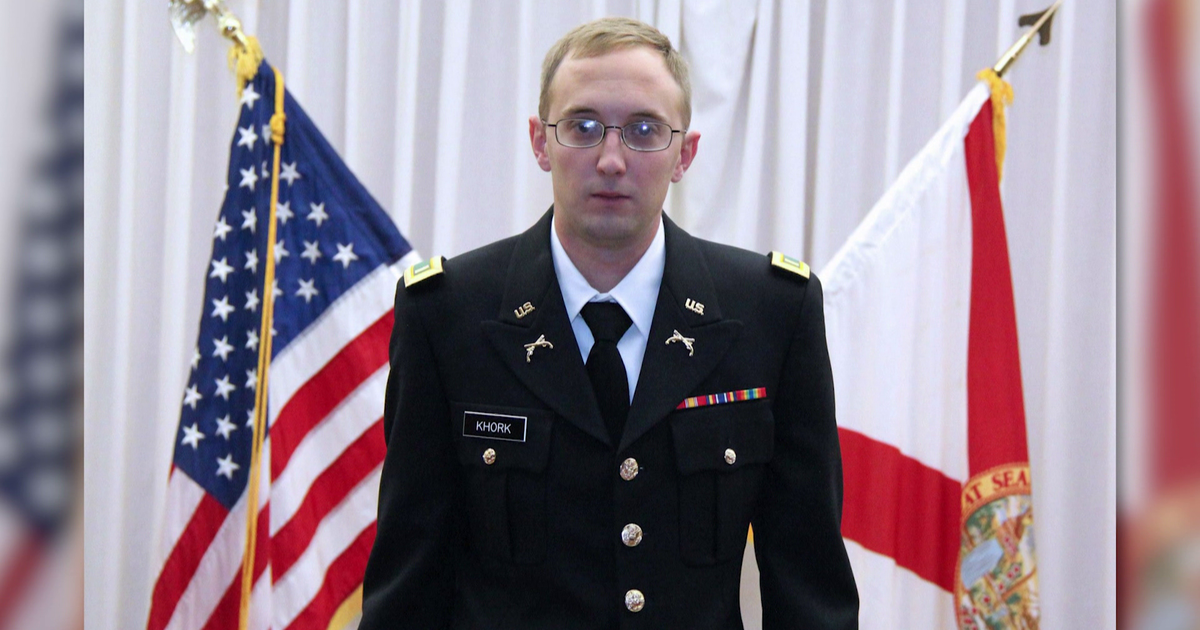
Fresh from his deployment in Poland, Army Reserve Capt. Cody Khork and his fiancée seized the opportunity to serve overseas with the Iowa-based 103rd Sustainment Command at Camp Arifjan in Kuwait. Following the relocation of most service members off post in preparation for Operation Epic Fury, Khork and a few specialists were stationed at the Port of Shuaiba. Tragically, on March 1 during the Iran war, an Iranian drone attack claimed Khork's life and that of five other American troops.
In an exclusive interview with CBS News, Jim and Stacey Khork expressed their grief and frustration over what they perceive as a lack of accountability for military oversights leading up to the fatal attack. Despite the completion of the Army's investigation in early July, the findings have not been released, prompting the Army to request patience from the families. Cody had reportedly warned Brig. Gen. Clint Barnes about the risk of an Iranian attack, but the unit remained at risk, with survivors recounting Cody's efforts to advise staying put during the attack.
The Khorks believe that Cody's death was avoidable and are seeking accountability for the failures that occurred before, during, and after the Iranian strike. Witnesses to the attack highlighted strategic shortcomings and the lack of adequate resources, including medical personnel and supplies, which could have potentially saved lives. The Pentagon has refuted claims of downplaying the incident, emphasizing the measures taken to safeguard troops and the fortification of the facility where the attack occurred.
In conclusion, the tragic loss of Cody Khork and five other American troops in the Iranian drone attack has raised questions about military preparedness and accountability. The Khork family's quest for answers and justice underscores the importance of addressing shortcomings and ensuring the safety of service members deployed overseas.