California's Ocean Farming Initiative: The Rise of the Largest Kelp Farm in the United States
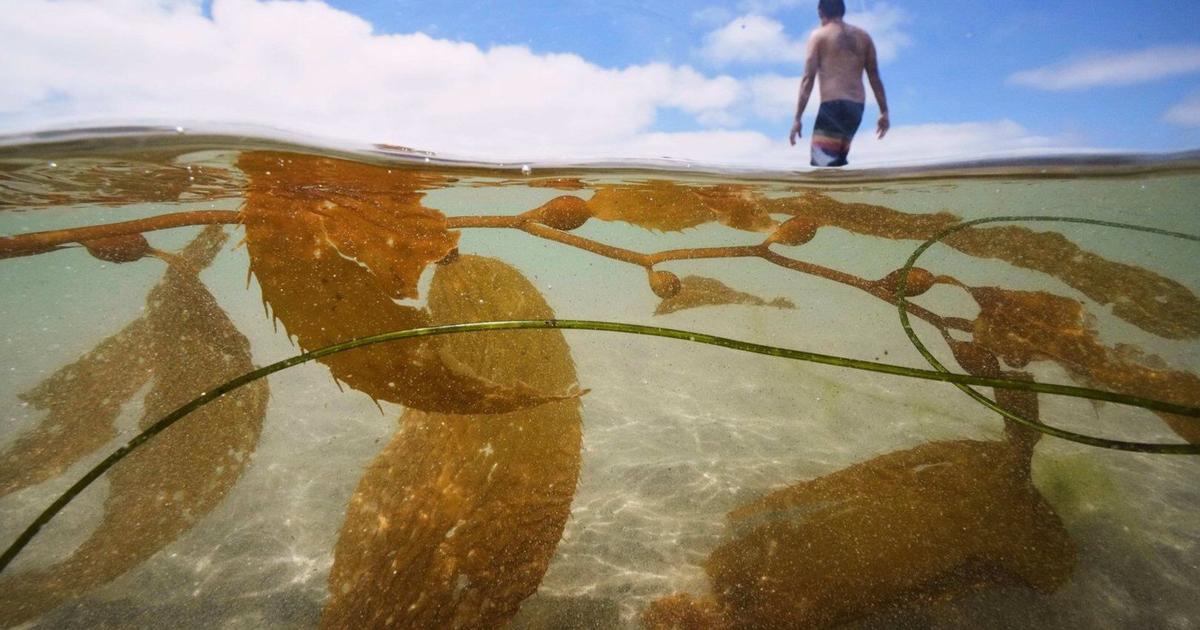
California, known for its agricultural industry, is now looking to expand its farming ventures to the ocean. State coastal officials recently approved a plan to establish the largest kelp farm in the United States, located 6 miles off the Southern California coast. This initiative comes as the Trump administration aims to increase aquaculture activities in the Pacific Ocean.
The proposed kelp farm, which spans over 100 acres, is expected to produce up to 2 million pounds of seaweed annually. Kelp is a type of large seaweed that grows in underwater forests and is known for its environmental benefits, such as absorbing carbon dioxide and providing habitat for marine life. The farm will be operated by a company called Marine BioEnergy, which specializes in sustainable aquaculture practices.
The project has faced opposition from environmental groups and local fishermen who are concerned about the potential impact on marine ecosystems and existing fishing grounds. However, supporters of the kelp farm argue that it could help reduce the state's reliance on imported seaweed and create new economic opportunities for coastal communities.
The approval of the kelp farm plan marks a significant step towards expanding aquaculture in California's waters. As the project moves forward, stakeholders will continue to monitor its progress and assess its environmental and economic implications. With the potential to become a major player in ocean farming, California is poised to further diversify its agricultural sector and contribute to sustainable food production.
In conclusion, California's decision to greenlight the development of the largest kelp farm in the United States signals a new chapter in the state's agricultural industry. By embracing aquaculture in its coastal waters, California is not only exploring innovative farming practices but also addressing the growing demand for sustainable food sources. As the kelp farm project unfolds, it will be interesting to see how it shapes the future of ocean farming and contributes to the state's economic and environmental goals.