The Adani Case: Controversy, Dismissals, and Questions
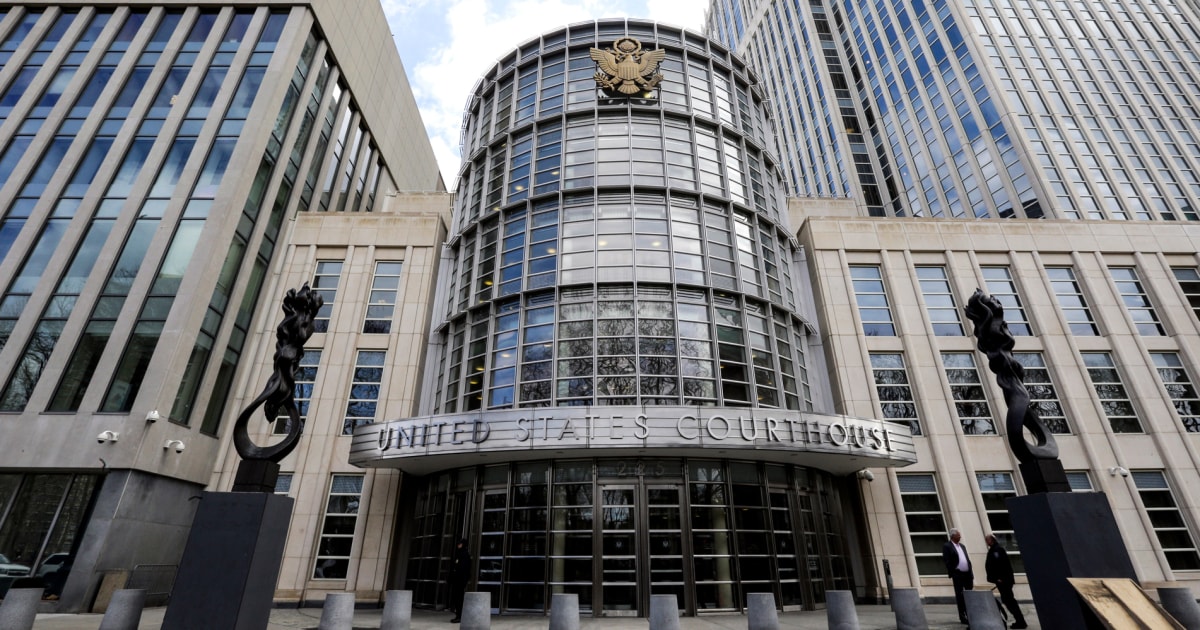
A federal prosecutor involved in the case against an Indian billionaire, Gautam Adani, has been fired by the Trump administration. Adani was accused of defrauding U.S. investors and bribing Indian officials to secure a solar power plant bid. The prosecutor, along with another colleague, had requested to withdraw from the case after the government moved to dismiss it. Adani denied the allegations and faced scrutiny over potential quid pro quo deals with the Trump administration.
Despite the controversy, the federal judge overseeing the case ultimately dismissed the charges against Adani. The prosecutor's termination followed a month later, amidst a wave of unexplained firings by the Trump administration. The firing was part of a series of dismissals carried out under Trump's executive powers, known as "Article II letters."
In a recent development, the judge allowed some charges against Adani's co-defendants to proceed, questioning the Trump administration's rationale for dropping the case. Adani, who had promised significant investments in the U.S., denied any knowledge of deals to dismiss the indictment. The Justice Department defended its decision to drop the case, emphasizing the lack of merit in the securities charges against Adani.
The firing of the prosecutor adds another layer of intrigue to the controversial case involving Adani and raises questions about the motivations behind the government's actions. The dismissal of charges against Adani and the subsequent termination of the prosecutor highlight the complexities and uncertainties surrounding high-profile legal proceedings.