Rick Springfield's Unseen Battle: A Musician's Haunting Vietnam War Experience
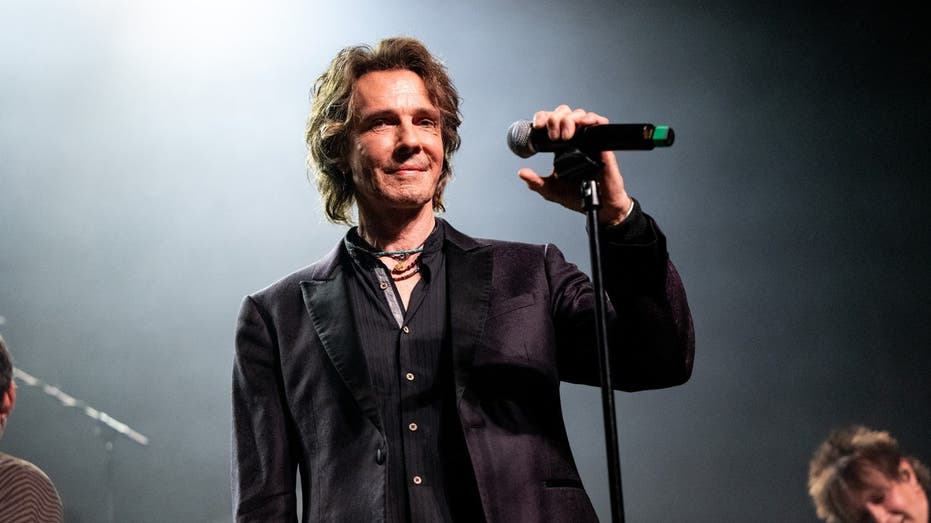
Renowned musician Rick Springfield recently shared a previously undisclosed chapter of his life, recounting a profound and traumatic experience from his time in the Vietnam War. Before rising to fame, the Australian artist found himself in a harrowing combat situation that resulted in the death of another individual. In a candid interview on the “Joe Rogan Experience” podcast, Springfield opened up about the haunting decision he made during his youth, shedding light on the unseen struggles faced by those exposed to the harsh realities of war.
The journey that led Springfield to a combat zone began in 1968 when his band traveled to Vietnam to entertain American troops stationed there. The demand for entertainment, especially acts with female performers who reminded soldiers of home, was high. Springfield's group toured Vietnam for about four months, initially viewing it as a way to earn money, although most of their earnings were spent at military exchanges.
What started as a routine entertainment tour took a dark turn when Springfield and his band found themselves in a life-threatening situation. After forming a bond with a group of soldiers, they sought refuge in bunkers during an attack. Springfield was tasked with participating in the defense, handling mortars without fully understanding the gravity of the situation. It was only the next day that he learned one of his mortars had struck an enemy combatant, leaving him with a lasting psychological burden.
Springfield's account underscores the lasting impact of war on individuals unexpectedly thrust into combat situations. Decades later, the memory of that fateful event continues to weigh heavily on him, challenging the public image of the rock star he later became. Despite the passage of time, Springfield grapples with the responsibility of taking a life and the lack of understanding he had as a young individual during his time in Vietnam.
His story serves as a poignant reminder of the deep personal scars left by even indirect or unintentional involvement in warfare. Springfield's experience highlights the enduring effects of war on individuals, transcending their subsequent achievements or public recognition. The emotional toll of war, as illustrated by Springfield's candid narrative, resonates long after the guns fall silent.