Resilience and Renewal: Lower Manhattan's Transformation Over 25 Years
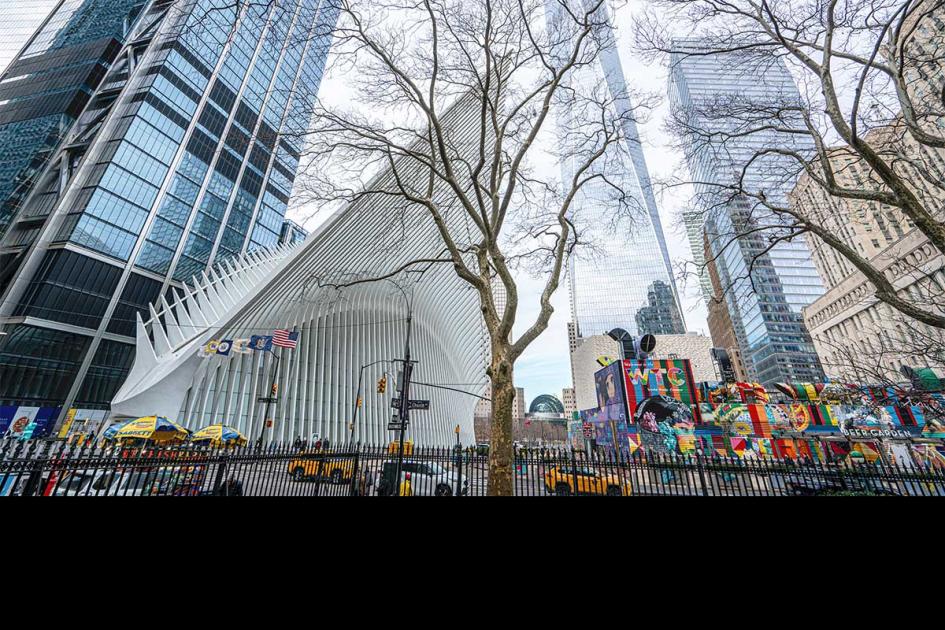
Lower Manhattan has experienced significant changes in the 25 years following the September 11, 2001, attacks. The area has seen a surge in business diversity, tourism growth, public transportation investments, and the development of a vibrant 24-hour neighborhood. The population and number of housing units have more than doubled since 2000, showcasing New York's and the nation's resilience and determination to rebuild and thrive. A recent report by New York State Comptroller Thomas P. DiNapoli delves into the socioeconomic shifts that have shaped Lower Manhattan's evolution, with a companion report highlighting the efforts of the 9/11 Memorial & Museum to educate the public and support 9/11 families.
Lower Manhattan's remarkable transformation over the past 25 years is a testament to the city's and the nation's ability to rise from adversity. The neighborhood has evolved into a bustling community with a mix of retail, business, government offices, hotels, restaurants, and cultural destinations. The growth in population, coupled with new homes, schools, parks, and public spaces, reflects New York's commitment to rebuilding and reimagining Lower Manhattan as a vibrant and thriving hub. The 9/11 Memorial & Museum stands at the heart of this transformation, honoring the lives lost and uniting people from around the world to remember and reflect on the events of that tragic day.
The resilience and determination of Lower Manhattan's community have been instrumental in its recovery and resurgence over the past 25 years. The neighborhood has become a sought-after destination for living, working, and visiting, with a population that has more than doubled since 2000. The area has seen a 3% increase in jobs, a 55% rise in median household income, and a significant boost in economic activity. Lower Manhattan's comeback story serves as a powerful reminder of the city's strength and unity in the face of adversity, showcasing what is possible when communities come together to rebuild and thrive.
The transformation of Lower Manhattan from a predominantly office-centric area to a vibrant mixed-use neighborhood has been remarkable. The population has more than doubled, housing units have increased significantly, and private sector employment has seen steady growth despite challenges like the Great Recession and the COVID-19 pandemic. The neighborhood's diverse economy, with a shift away from finance towards business services, leisure, and hospitality sectors, reflects its resilience and adaptability in the face of changing economic landscapes.
Tourism in Lower Manhattan has shown signs of recovery, with visitor numbers gradually increasing post-pandemic. The area's hotels have seen fluctuations in occupancy rates, but with new developments in the pipeline, the tourism sector is poised for further growth. The neighborhood's residents play a crucial role in its economic landscape, with a majority working in business services and finance. The median household income has seen a significant increase, reflecting the area's economic vitality and attractiveness as a place to live and work.
Public and private infrastructure projects have played a key role in reshaping Lower Manhattan over the past two decades. Major transportation investments, cultural developments, and coastal resiliency initiatives have enhanced connectivity, activity, and sustainability in the area. The National September 11 Memorial & Museum remains a central pillar of Lower Manhattan, honoring the victims of the attacks, supporting those affected by 9/11-related illnesses, and educating visitors from around the world. The museum's revenue from ticket sales helps sustain its operations and provide free access to the memorial, ensuring that the legacy of 9/11 is preserved for future generations.
In conclusion, Lower Manhattan's transformation over the past 25 years is a testament to the resilience, unity, and determination of its community. The neighborhood's evolution into a vibrant and diverse hub for living, working, and visiting reflects New York's and America's unwavering spirit in the face of adversity. With continued investments in infrastructure, economic growth, and cultural development, Lower Manhattan is poised for a bright and prosperous future, showcasing the power of resilience and unity in overcoming challenges and building a stronger community.