Proposed Federal Rule Changes to Census Counting: Impact on Political Representation
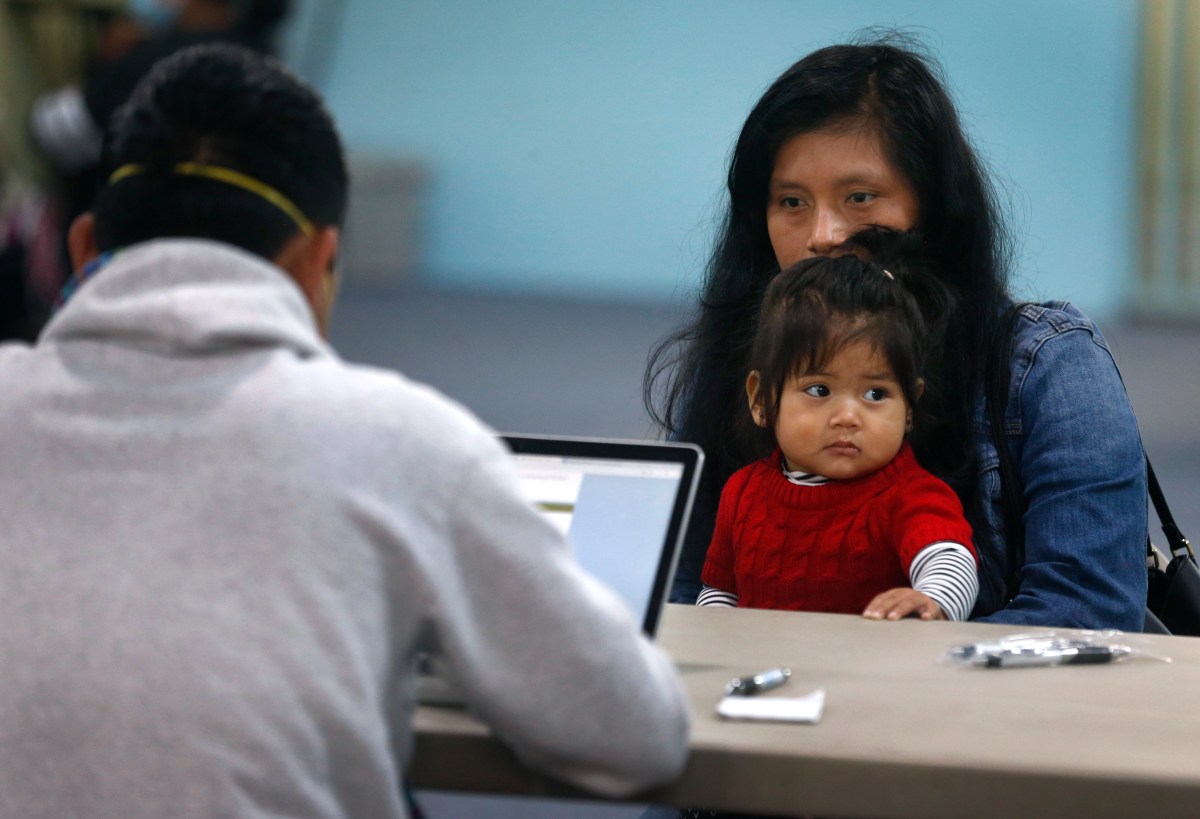
A new federal rule has been published in the federal register proposing to exclude certain noncitizens from being counted in the 10-year Census. This final version of the rule includes a citizenship question on the census, excludes refugees and asylees from the count, and changes how members of the military are counted. The Census Bureau would classify fewer immigrants as U.S. residents under this rule, as the Trump administration aims to use the census to benefit Republican states.
The administration is using this rule to reshape how the census counts people and tracks their residency. The data collected from the census plays a crucial role in determining political power, including congressional apportionment, House seats allocation, and a state's power in the Electoral College. The rule changes the definition of a person's "usual residence" to be consistent with their tax records.
The rule also mentions the possibility of adding a citizenship question to the 2030 census, inviting comments on this potential inclusion. This move echoes a previous attempt by the Trump administration to add a citizenship question to the 2020 census, which was ultimately rejected by the Supreme Court. The administration's efforts to influence the census were further revealed by records showing a strategy to undercount non-citizens to weaken blue states' representation in Congress.
This development is a significant change in how the census is conducted and could have far-reaching implications for political representation. Stay tuned for updates on this breaking news story.