Legal Analysis of Lindsay Clancy's Pardon Appeal and Trial Strategy
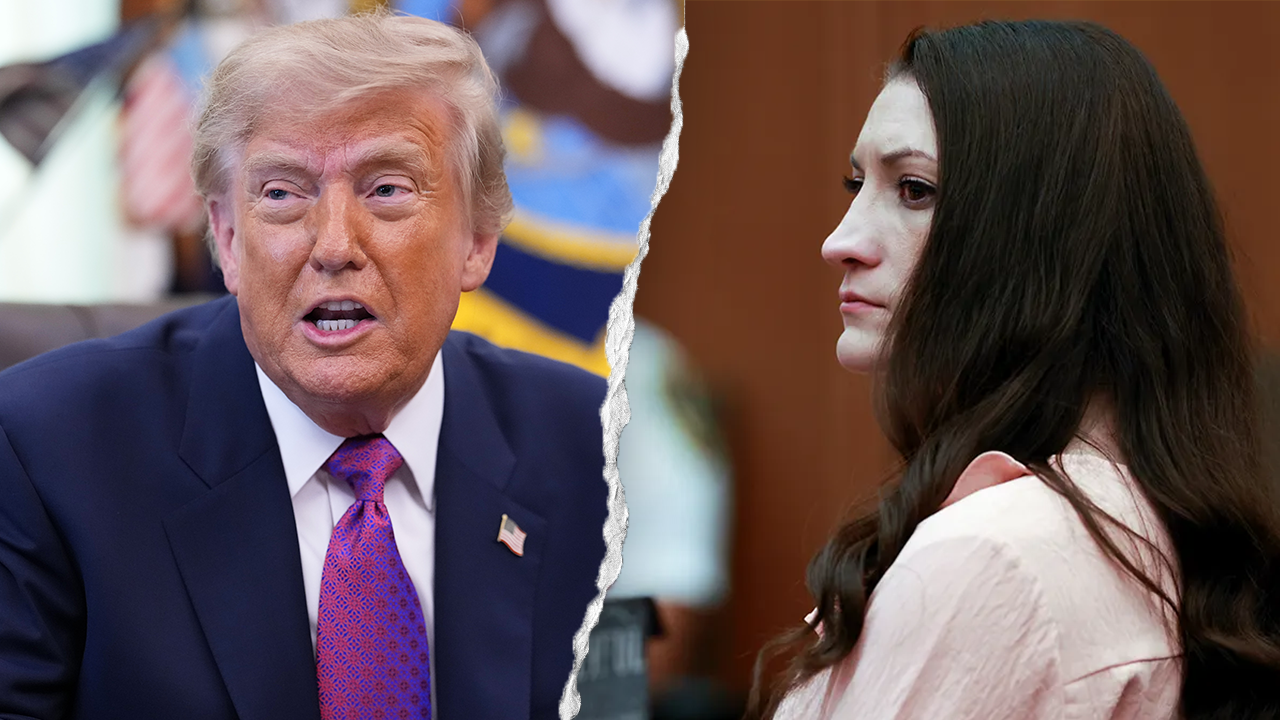
Legal experts have dismissed the appeal made by Lindsay Clancy's defense attorney to President Donald Trump for a pardon as unrealistic. Clancy, a former nurse, faced three counts of first-degree murder in the deaths of her three children. The trial ended in a mistrial after jurors deadlocked. Clancy's attorney, Kevin Reddington, appealed directly to the president for a pardon, citing the impact on Clancy's life and hoping for intervention in the case.
Reddington acknowledged that Trump has no grounds to issue a pardon on state charges but believed the president could influence the case. The goal might be to gain leverage in potential plea negotiations with the district attorney's office. Reddington's approach could create political pressure in Massachusetts, even if Trump does not entertain the appeal.
Despite the praise for Reddington's work on the case, legal analysts caution about getting too close to a client. Reddington has expressed his willingness to discuss a potential deal with prosecutors after the trial ended with a deadlocked jury. The trial focused on Clancy's criminal responsibility for the deaths of her children, with the defense arguing she was not responsible due to postpartum psychosis.
The prosecution may need to find better experts and thoroughly discredit the defense expert if they decide to retry the case. The burden of proof in Massachusetts law is on the prosecution, making it crucial to address the credibility of expert testimony. Clancy's future could depend on the prosecution's approach in any potential retrial.
In conclusion, the appeal for a pardon from President Trump in Lindsay Clancy's case has sparked debate among legal experts. While the strategy may aim to influence the case's outcome, the focus remains on the legal complexities surrounding Clancy's trial and the potential implications for any future proceedings.