Exploring the Satirical Use of Nazi Imagery in 'Starship Troopers' and Trump's Administration
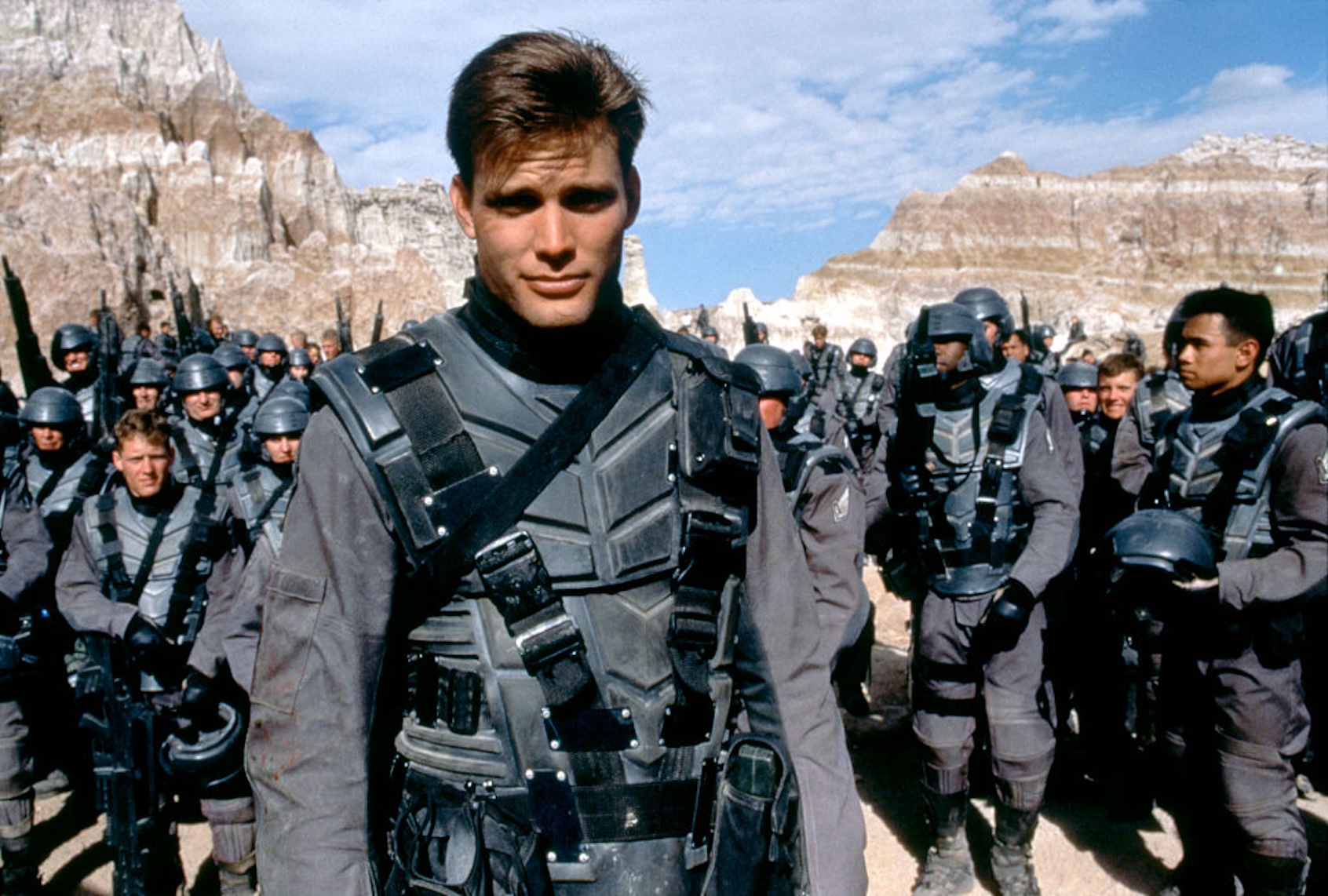
When the movie "Starship Troopers" was released in 1997, Donald Trump was focused on rebuilding his brand and going through personal challenges. The film, a sci-fi satire, did not resonate with adult audiences but was popular among teenage boys. Trump, now 80, recently shared a mock-up of Space Force uniforms on Truth Social, drawing comparisons to Nazi imagery. Director Paul Verhoeven's films, including "Starship Troopers," often satirize aspects of American life, with visual elements inspired by Nazi propaganda.
Verhoeven intentionally incorporated Nazi imagery in "Starship Troopers," drawing parallels to authoritarianism and fascism. The film's visual elements and costumes, particularly those of high-ranking officers, allude to Nazi aesthetics. The use of Nazi propaganda in the movie's visuals was meant to highlight the dangers of unwittingly sliding into fascism. Trump's association with Nazi imagery in his administration's messaging raises questions about his intentions and ties to nationalist agendas.
The use of Nazi imagery in "Starship Troopers" and Trump's administration's messaging reflects a deeper satirical commentary on authoritarianism and nationalism. Verhoeven's deliberate incorporation of Nazi propaganda in the film serves as a warning about the dangers of unchecked power and fascism. Similarly, Trump's use of fascist imagery in his messaging underscores his nationalist agenda and raises concerns about the implications of such symbolism.