Reflecting on 9/11: 25 Years Later - Personal Stories, Government Policies, and Societal Changes
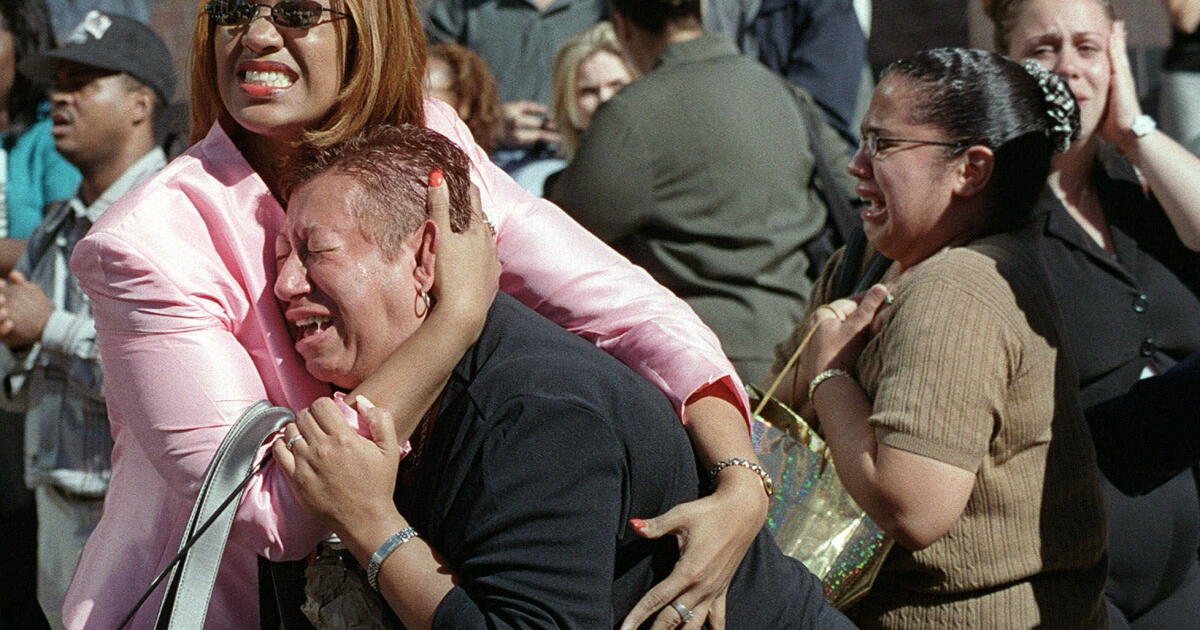
The impact of the September 11 attacks 25 years ago was felt far beyond the immediate locations of the tragedies. The shock and grief reverberated throughout the entire United States, affecting communities of all sizes and individuals from various backgrounds. The aftermath of 9/11 has shaped the nation's security measures and surveillance practices, but the interpretation of the events and their consequences varies among Americans due to personal, political, and chronological factors.
The passage of time has led to a diverse range of perspectives on 9/11, with younger generations learning about it as a historical event. The aftermath of the attacks, including government policies and foreign interventions, has influenced people's views and experiences. The networks to which individuals belong, such as those who lost loved ones, worked at Ground Zero, or were impacted by policy changes, have shaped their understanding of 9/11 and its lasting effects.
Personal stories like that of Jenna McPartland, who lost her husband in the attacks and later remarried, highlight the complex ways in which individuals navigate grief and remembrance. The choices made by the U.S. government post-9/11, such as immigration policies and the creation of Homeland Security, have had lasting implications on society, particularly for marginalized communities like Muslims and immigrants.
The securitization of society, exemplified by agencies like the TSA and ICE, reflects the normalization of heightened security measures in the post-9/11 era. The impact of the attacks extended beyond the immediate victims to communities facing discrimination and violence, such as Balbir Singh Sodhi, a Sikh man killed in a hate crime after 9/11. The experiences of Muslim Americans and other marginalized groups have been shaped by the heightened fear and suspicion that followed the attacks.
For younger generations like Vida Lashgari, who grew up learning about the impact of 9/11 on communities of color, the events of that day are history lessons rather than lived experiences. The COVID-19 pandemic provided a new perspective on sudden and drastic changes, highlighting the unpredictability of life events. As time passes, public memory of 9/11 may shift, but efforts to memorialize and remember the events continue to shape collective understanding and individual experiences.
In conclusion, the legacy of 9/11 is multifaceted, with personal stories, government policies, and societal changes all contributing to the diverse interpretations of the attacks and their aftermath. The impact of 9/11 extends beyond the immediate tragedies, shaping national security measures, immigration policies, and the experiences of marginalized communities. As new generations learn about 9/11 as a historical event, the ways in which it is remembered and understood continue to evolve.