Navigating Commuting Costs: How Job Seekers Prioritize Opportunities Based on Commute Times and Expenses
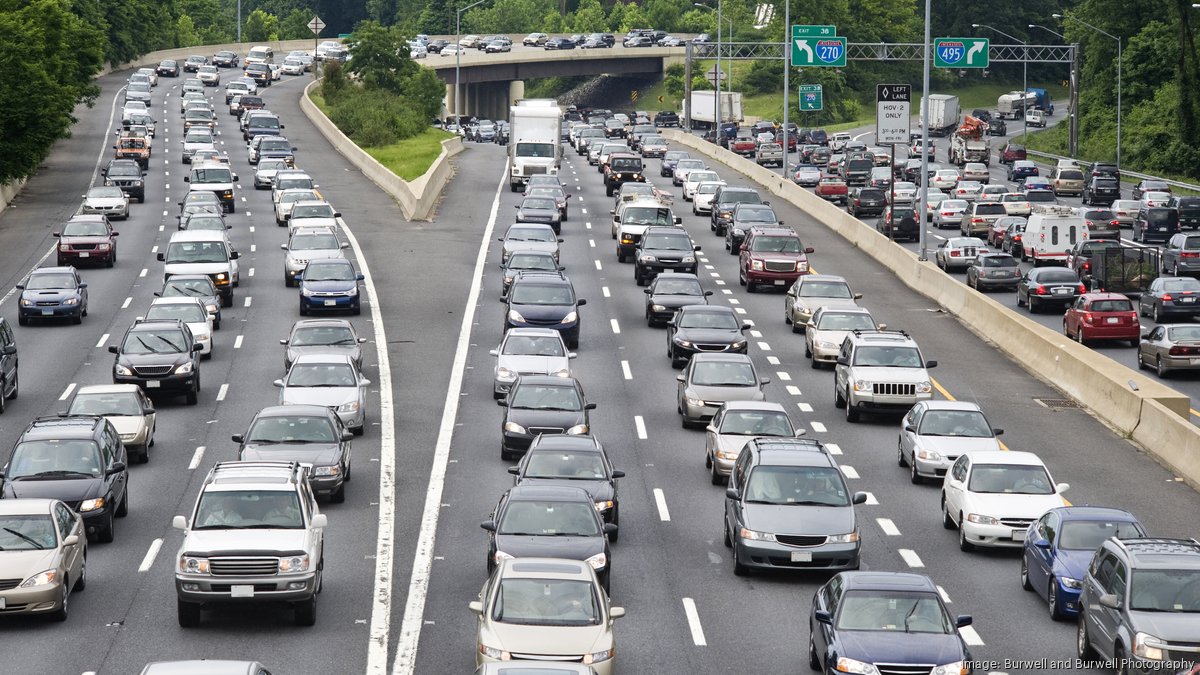
Many workers prioritize job opportunities based on commuting costs and commute times, with nearly half turning down job offers due to these factors. A longer commute can feel like a hidden pay cut for employees, leading them to consider the full cost of transportation and time lost. Higher gas prices have also influenced job seekers to prioritize jobs closer to home or seek remote positions.
Commuting can result in a significant loss of time and money for workers, with the average American losing 223 hours annually to their commute. As remote work recedes, commute times have been on the rise, highlighting the impact of returning to the office on work-life dynamics. Employers may need to consider assisting employees with commute costs to alleviate financial stress, as many workers believe companies should help cover these expenses.
Research shows that employees value employer support for commute costs, especially during times of high gas prices. Workers are looking for job opportunities that minimize commuting expenses and time spent traveling to work. Employers may need to adjust their offerings to attract and retain talent in a competitive job market.