Trump's Economic Policies and the Midterm Elections: A Look at Rising Inflation, Trade Conflicts, and Gas Prices
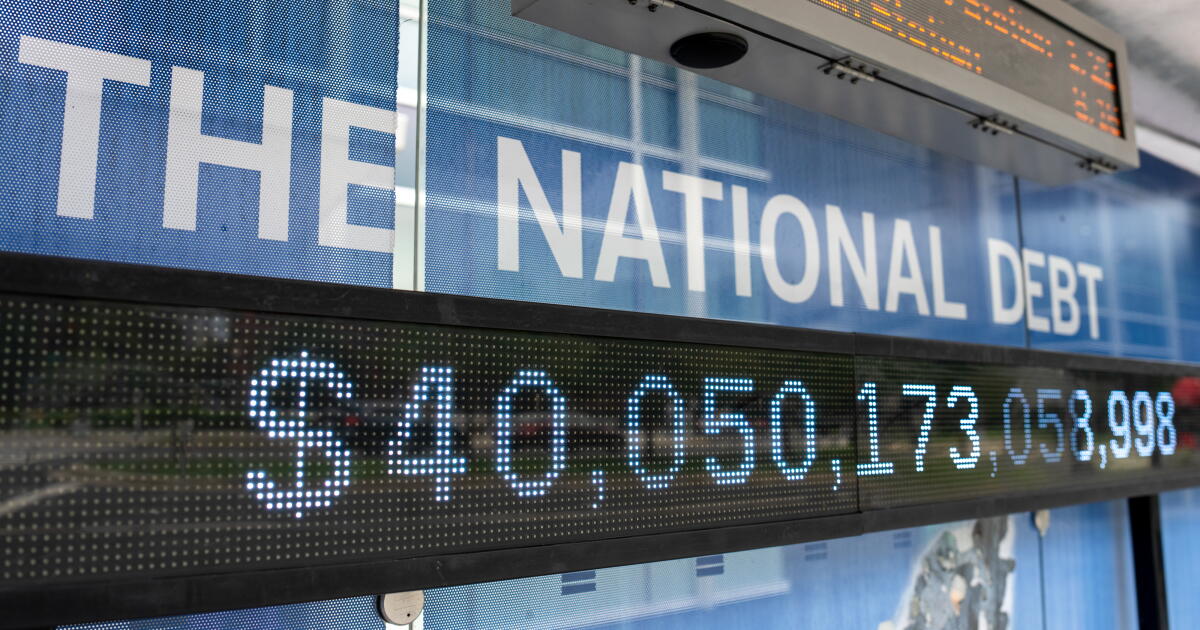
The ongoing global trade conflicts initiated by President Trump are contributing to inflation in the U.S. economy, resulting in higher prices for everyday goods. The trade war with Iran is also causing fluctuations in gas prices. Tax cuts have led to a national debt exceeding $40 trillion, creating challenges in the bond market. Additionally, a strict immigration crackdown is disrupting labor availability in various industries, further driving up prices.
As President Trump approaches the midpoint of his second term, his economic policies are becoming a contentious issue in the upcoming midterm elections. The Republican Party is facing difficulties defending these policies, which have caused economic hardships for many Americans. Polls indicate that a significant portion of the population is dissatisfied with Trump's handling of economic matters, with only a minority viewing the economy positively.
Despite Trump's claims of a thriving economy and a manufacturing boom, many Americans remain unconvinced. The escalating trade disputes and widespread perception of corruption within the government are adding to the economic challenges faced by the administration. The upcoming midterms are seen as a referendum on Trump's presidency, with some Republican lawmakers distancing themselves from the president to secure reelection.
Consumer sentiment has soured due to rising gas prices and economic uncertainties. The conflict with Iran has further exacerbated these concerns, with no immediate resolution in sight. Americans are closely monitoring gas prices as a key indicator of economic well-being. The administration's efforts to address these issues have not provided immediate relief, leading to continued economic anxieties among the public.
Vice President JD Vance acknowledged the impact of the Iran conflict on gas prices but could not provide a timeline for price reductions. Trump's assurances of stable oil supplies and potential agreements with other countries to lower prices have not assuaged public concerns. Many Americans, like home care provider Monica Escalante, are feeling the financial strain of increased costs and are looking for solutions ahead of the midterm elections.
In conclusion, the economic challenges facing the U.S. under President Trump's administration are a significant factor in the upcoming midterm elections. Rising inflation, trade conflicts, and uncertainties surrounding gas prices have created a sense of economic unease among the public. As voters evaluate the administration's economic record, the outcome of the midterms may serve as a verdict on Trump's presidency and his handling of economic issues.