The Impact of Tariffs on Hockey Equipment Prices: Challenges and Concerns for Families and the Industry
Families like Kelly Rand's in St. Paul, Minnesota, are facing the challenge of buying new hockey equipment frequently due to their teenage twin boys' growth spurts. The cost of gear, including helmets and chest protectors, has significantly increased, making the sport even more expensive. The recent 50% tariffs imposed on goods from Canada, including hockey sticks and skates, are adding to the financial burden for families involved in hockey.
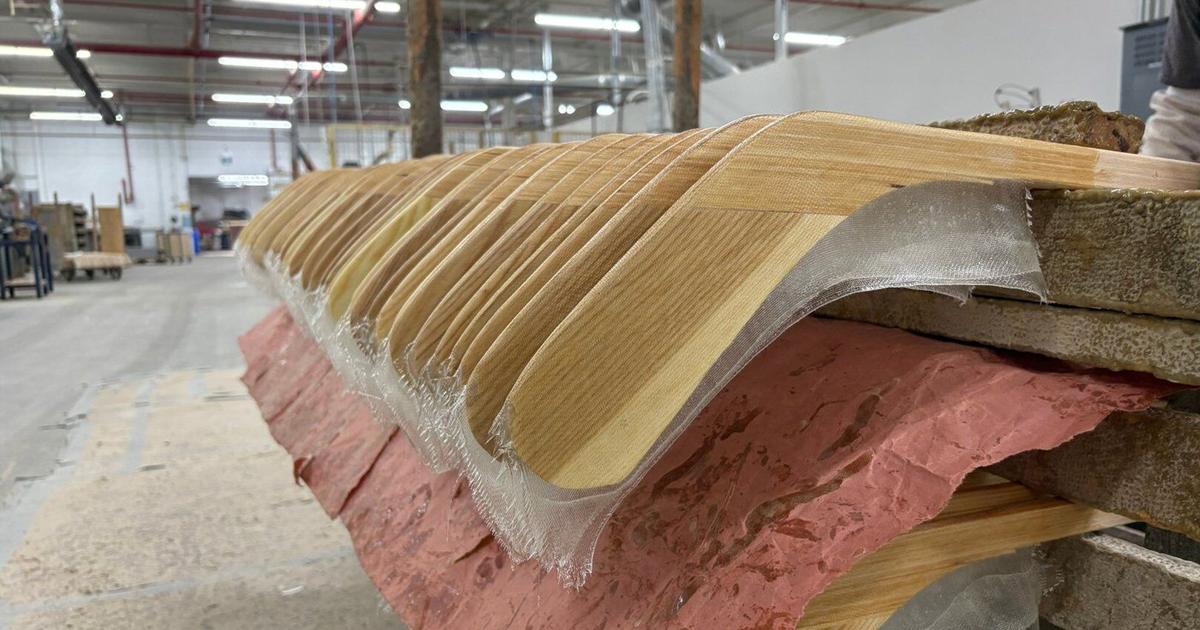
The tariffs have affected the prices of hockey equipment, with custom items being manufactured in Canada and imported into the U.S. by companies like True Hockey. The average cost of a hockey stick is now around $200, with high-end versions reaching up to $400. The tariffs have had a substantial impact on the industry, leading to rising prices and concerns about the affordability of the sport for many families.
The cost of hockey equipment has been steadily increasing in recent years, driven by inflation and tariffs on goods from other countries. The amount spent on hockey equipment has risen significantly, reflecting the growing popularity of the sport. While Canada is a major producer of hockey equipment, the tariffs have raised questions about the future of the industry and the potential impact on consumers.
The uncertainty surrounding the duration of the tariffs has created challenges for manufacturers and retailers in determining how to adjust prices. Companies may choose to absorb the costs initially but could eventually pass them on to consumers. The long-term effects of the tariffs remain unclear, with concerns about the impact on the affordability of hockey and the potential consequences for the industry.
As discussions continue about the tariffs and their implications, the sports industry is advocating for their removal to support the growth of hockey participation. The increase in hockey interest in the U.S. has been attributed to various factors, including major events like the Winter Olympics. However, the tariffs could hinder this growth and make the sport less accessible to families, raising concerns about the future of hockey in the country.
In conclusion, the impact of the tariffs on hockey equipment prices is a significant concern for families, manufacturers, and retailers in the industry. The rising costs of gear and the uncertainty surrounding the duration of the tariffs are creating challenges for all stakeholders involved. As discussions continue, the hope is that a resolution can be reached to support the affordability and accessibility of hockey for players and families across the country.