Republican Midterm Convention in Dallas: Navigating Challenges and Uncertainties
In December 1978, during a tumultuous time for the US, a Democratic convention in Memphis, Tennessee, turned into a platform for Ted Kennedy to challenge President Carter. The event was marked by hostility towards the president, leading Democrats to vow never to repeat such a mistake. Despite facing losses in the midterm elections, the party maintained control of Congress. The idea of holding midterm conventions was abandoned, with Democrats wary of repeating the 1978 debacle.
Contrary to the Democrats' caution, Republicans are holding their first-ever midterm convention in Dallas, Texas, this week. The event features prominent speakers like Donald Trump, JD Vance, and other key figures. The convention aims to boost morale, nationalize congressional elections, and energize Republican voters. However, conflicting with the start of the American football season and facing some reluctance from candidates due to the high cost of attendance, the success of the convention is uncertain.
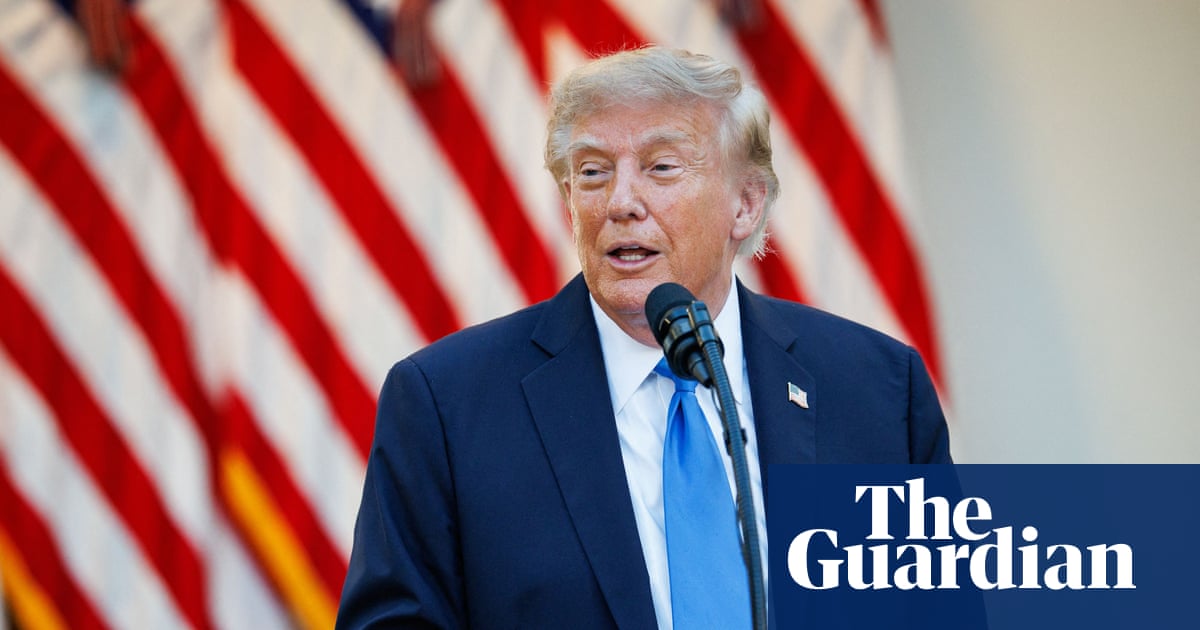
Unlike traditional conventions where party rules and platforms are discussed, this event is essentially a Trump rally aimed at rallying the base for the upcoming elections. With Trump's approval ratings at a low point, the strategy of centering the convention around him is seen as risky. Democrats appear more enthusiastic about the midterms, posing a challenge for Republicans trying to mobilize their base.
Some Republican candidates are distancing themselves from Trump, subtly removing his likeness from their campaign materials. The convention's focus on key issues like tax cuts, healthcare, and border security aims to appeal to voters. However, the absence of programming related to foreign policy or the war in Iran raises questions about the event's effectiveness in addressing critical issues.
Despite the potential impact of the convention on voter turnout, its success remains uncertain. While it may energize Trump supporters, it is unlikely to sway independent voters or change minds. The convention could serve as a platform for potential 2028 presidential contenders to make an impression, but they must navigate Trump's dominant presence carefully.
In conclusion, the Republican midterm convention in Dallas faces challenges in boosting enthusiasm among voters and countering Democratic momentum. With Trump's popularity waning and Democrats showing greater enthusiasm for the upcoming elections, the convention's impact on the political landscape remains uncertain. As candidates navigate the event's dynamics and Trump's influence, the outcome of the convention could have implications for the midterm elections and the future of the Republican Party.