Rebuilding Nepal: Addressing the Aftermath of Devastating Flash Floods
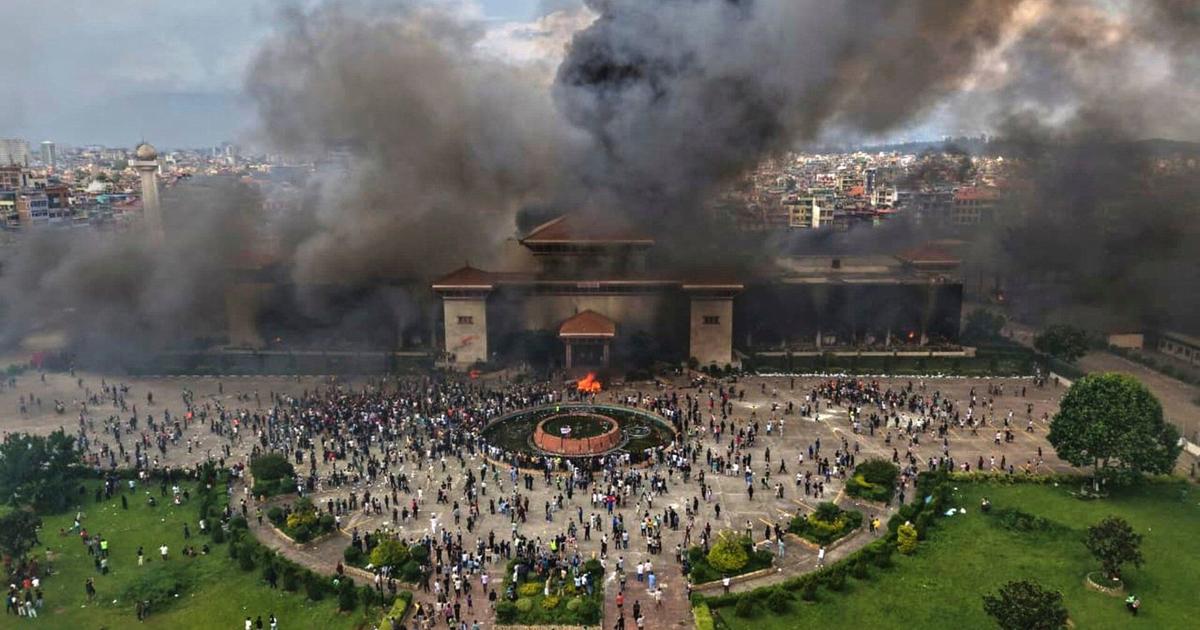
Devastating flash floods recently struck Nepal, causing widespread destruction to homes, roads, and infrastructure. The disaster left approximately 7,500 homes in ruins, with another 20,000 requiring reconstruction. Furthermore, at least 12 hydropower projects suffered damage, resulting in an estimated cost of $2.56 billion for the country, which has a total budget of $14 billion for the current fiscal year.
The aftermath of the floods poses a significant challenge for Nepal, as it navigates through a period of political instability following recent upheavals. The new government is tasked with the daunting responsibility of repairing the damaged infrastructure and restoring political order. Additionally, the country must address the pressing issue of climate change, which heightens the risk of more frequent and severe weather events in Nepal.
The recent natural disaster underscores the urgent need for Nepal to prioritize resilience-building efforts to mitigate the impact of future calamities. As the country grapples with the aftermath of the floods, it must focus on enhancing its infrastructure, disaster preparedness, and environmental sustainability to safeguard its population and resources from the growing threats posed by climate change.
In conclusion, the flash floods in Nepal have highlighted the vulnerabilities faced by the country in the face of natural disasters and climate change. The government's response to the crisis will be crucial in not only addressing the immediate damage but also in laying the foundation for a more resilient and sustainable future for Nepal.