Empowering African Households: The Rise of Clean Cooking Technologies Supported by Carbon Finance
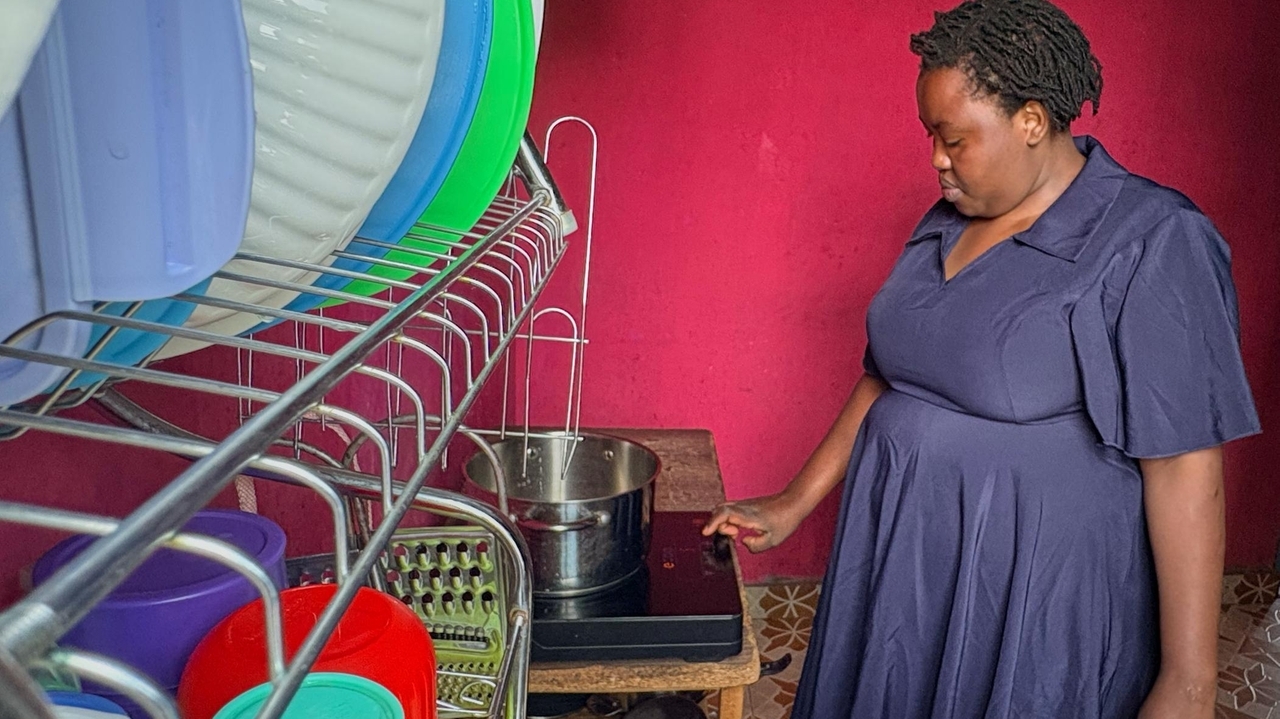
In Nairobi, Kenya, Mary Kavutha has switched from using a charcoal stove to an induction cooker for cooking meals for her children. The cleaner and more efficient induction cooker has made cooking faster, safer, and more affordable for her. Many Africans still rely on charcoal or firewood for cooking, leading to household air pollution and health issues. Clean cooking companies are now offering affordable stoves underwritten by carbon credit financing, making cleaner household energy more accessible.
The International Energy Agency (IEA) announced that Africa has secured $900 million in financial commitments towards clean cooking technologies. More than 30 governments in countries with a high percentage of people lacking access to clean cooking have introduced new policies since the Paris climate summit in 2015. Clean cooking is now seen as a necessity rather than a luxury, with governments and organizations working towards expanding cleaner household energy options.
Carbon finance has played a crucial role in making clean cooking products affordable for low-income households. Companies like BURN have distributed millions of eco-friendly cookstoves across Africa, with the financing behind these stoves making them accessible to families who would not have been able to afford them otherwise. The industry has adopted strict standards and innovative measuring techniques to ensure the credibility of carbon credits.
While carbon finance has been instrumental in promoting clean cooking, some critics argue that relying too heavily on carbon credits for financing is risky. Companies like Koko Networks have faced setbacks due to challenges in obtaining government authorization for selling carbon credits. It is important to strike a balance between carbon finance and other sources of funding to support the transition to cleaner cooking technologies.
Companies are adapting their approaches to suit local conditions, offering a variety of clean cooking solutions based on regional preferences. From electric cookers in Kenya and Tanzania to biomass stoves in the Democratic Republic of Congo and Madagascar, there are options available to meet different needs. For households like Kavutha's, the most important factor is that cleaner stoves are now more affordable and beneficial for their families.
The shift towards cleaner cooking technologies in Africa is gaining momentum, with carbon finance playing a significant role in making these products accessible to a wider population. As more governments and organizations commit to promoting clean cooking, the transition to cleaner household energy is expected to continue, benefiting households like Kavutha's in the long run.