Canada's Retaliatory Tariffs: Escalating Trade Tensions with the US
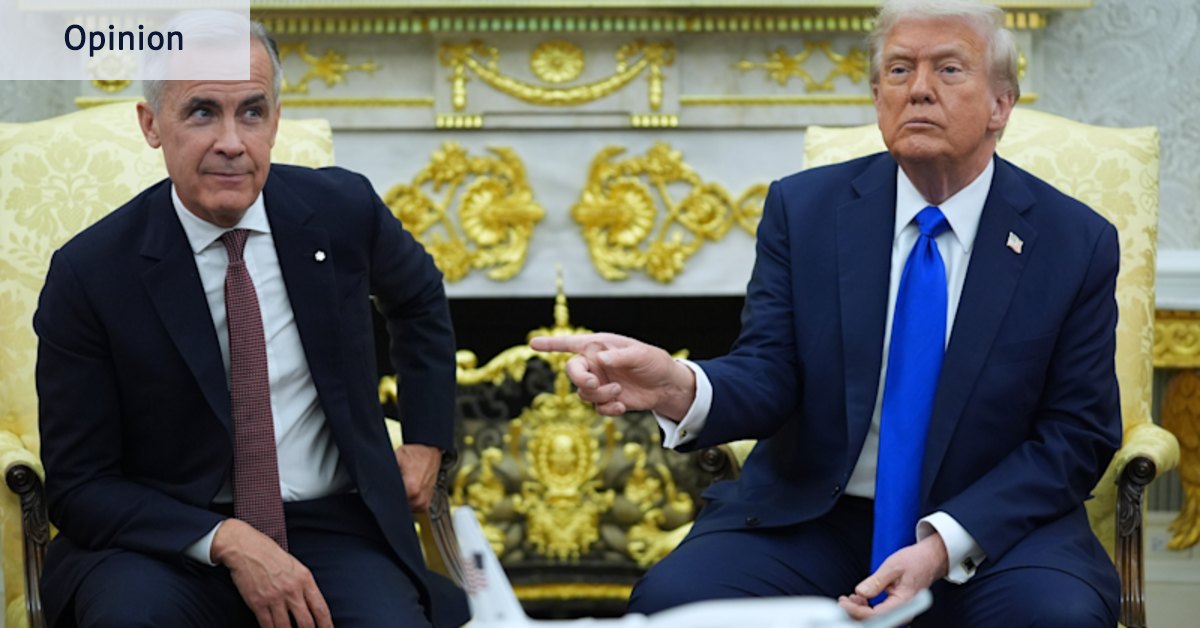
Canada has implemented retaliatory tariffs on US imports, escalating trade tensions with the US. The tariffs target a wide range of US exports, matching the dollar amount of tariffs imposed by the US on Canadian exports last month. The breakdown in negotiations between the two countries led to the imposition of these tariffs, with Canada refusing last-minute demands from the US negotiators.
The retaliatory tariffs cover various sectors, including apparel, timber, steel, aluminum, agricultural equipment, appliances, pulp and paper, plastics, and electronics. Both countries had pre-existing tariffs in place, but the recent changes have increased the effective rates on imports. Canada's decision to stand up to the US, despite its heavy reliance on US exports, is seen as a bold move that could have significant economic implications.
The United States-Mexico-Canada free trade agreement (USMCA) provides some protection for Canada, but Trump's threats to withdraw from the agreement have put pressure on Canada and Mexico to make trade concessions. The highly integrated economies of the three countries within the USMCA could suffer if trade tensions escalate further.
Canada's oil and refined products are significant exports to the US, with oil accounting for about 60% of America's oil imports. The close ties between the Canadian and US auto industries could also be affected by tariff disruptions. The aluminum industry, with Canada being a major supplier to the US, faces potential challenges if tariffs escalate.
Despite the potential economic impact on both countries, Canada is prepared to accept the consequences of its retaliatory tariffs as a price for sovereignty. Trump's aggressive trade tactics and social media posts have drawn criticism and ridicule, further straining the relationship between the two countries. Carney's efforts to diversify Canada's trade agreements with other countries reflect a broader strategy to reduce reliance on the US market.
In the long term, Trump's trade policies could lead to a fundamental shift in economic and political relationships between the US and its allies. The escalating trade tensions and hostile rhetoric from Trump are unlikely to ease the growing anti-American sentiment in Canada. Carney's response to the trade dispute highlights the challenges and complexities of international trade negotiations.