Title: "Critical Shortage: U.S. Military's Depleted Missile Inventory Raises National Security Concerns
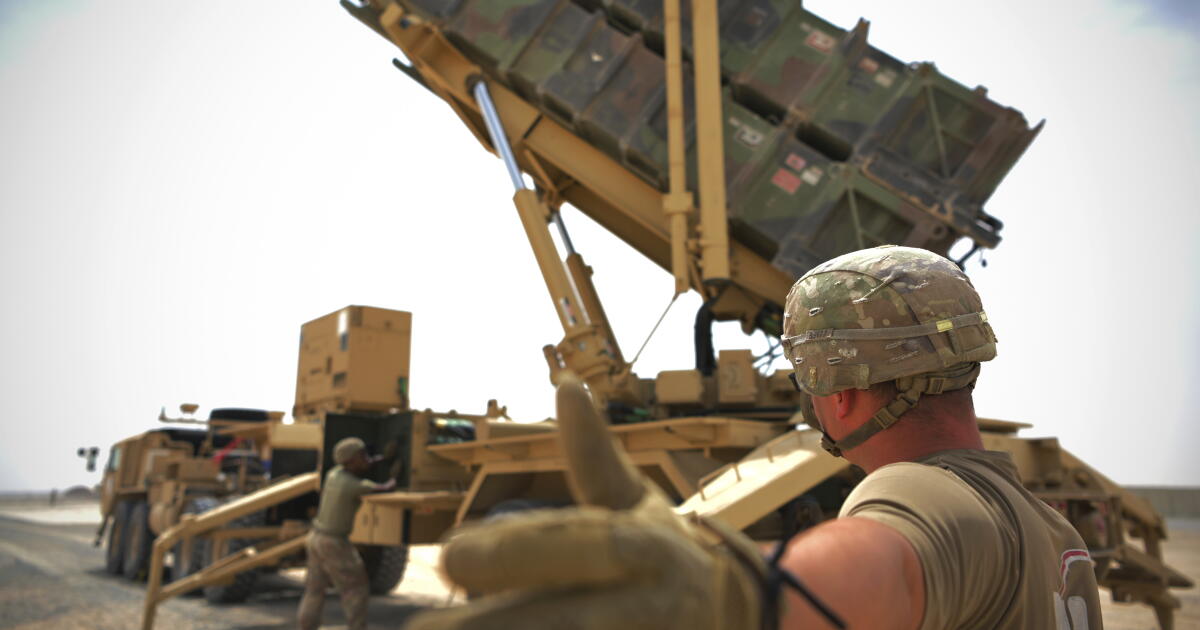
The U.S. military has experienced a significant depletion of its advanced defensive missile inventory during the war with Iraq. The Pentagon's stockpile of Patriot and THAAD interceptors has been reduced by almost 60% since the start of the conflict. This decline in missile assets has raised concerns about the nation's theater missile defense capability and its ability to protect American troops. Despite President Trump's claims of having abundant munitions, the shortage of defensive missiles is a pressing issue that cannot be ignored.
The dwindling supply of Patriot and THAAD interceptors has forced U.S. commanders to carefully manage these scarce assets. While the U.S. military still possesses ample short-range offensive missiles, the shortage of defensive missiles has become a critical issue. The need to conserve these advanced interceptors has been evident in recent military engagements, where Patriots were reportedly used to defend against incoming missile attacks. The limited availability of defensive missiles has raised concerns about the military's ability to deter potential adversaries.
The shortage of advanced defensive missiles has broader implications for U.S. national security. Experts warn that the current inventory may not be sufficient to deter Chinese or Russian aggression in regions like Taiwan or the Baltic states. The lack of credible missile defense capabilities could embolden potential adversaries and undermine U.S. strategic deterrence. Replenishing the depleted missile stocks is essential to restoring the military's credibility and ensuring a robust defense posture against emerging threats.
Efforts to address the missile shortage are underway, with plans to ramp up production of interceptors. However, the process of replenishing the missile inventory will take time, with estimates suggesting it could be several years before prewar levels are restored. In the meantime, the U.S. military must explore alternative solutions, such as deploying less expensive missile and drone systems to bridge the gap in defensive capabilities. The urgency of addressing the missile shortage is underscored by the evolving threat landscape and the need to adapt to new challenges in modern warfare.
In conclusion, the depletion of advanced defensive missiles poses a significant challenge for U.S. national security and military readiness. The shortage of Patriot and THAAD interceptors has highlighted the importance of maintaining a robust missile defense capability to deter potential adversaries and protect American interests. Addressing the missile shortage will require a comprehensive strategy that combines efforts to replenish depleted stocks with investments in innovative defense technologies. By enhancing its missile defense capabilities, the United States can strengthen its deterrence posture and safeguard its strategic interests in an increasingly complex security environment.