Private Spacecraft's Rescue Attempt of NASA's Swift Observatory: A Costly Experiment with Valuable Lessons
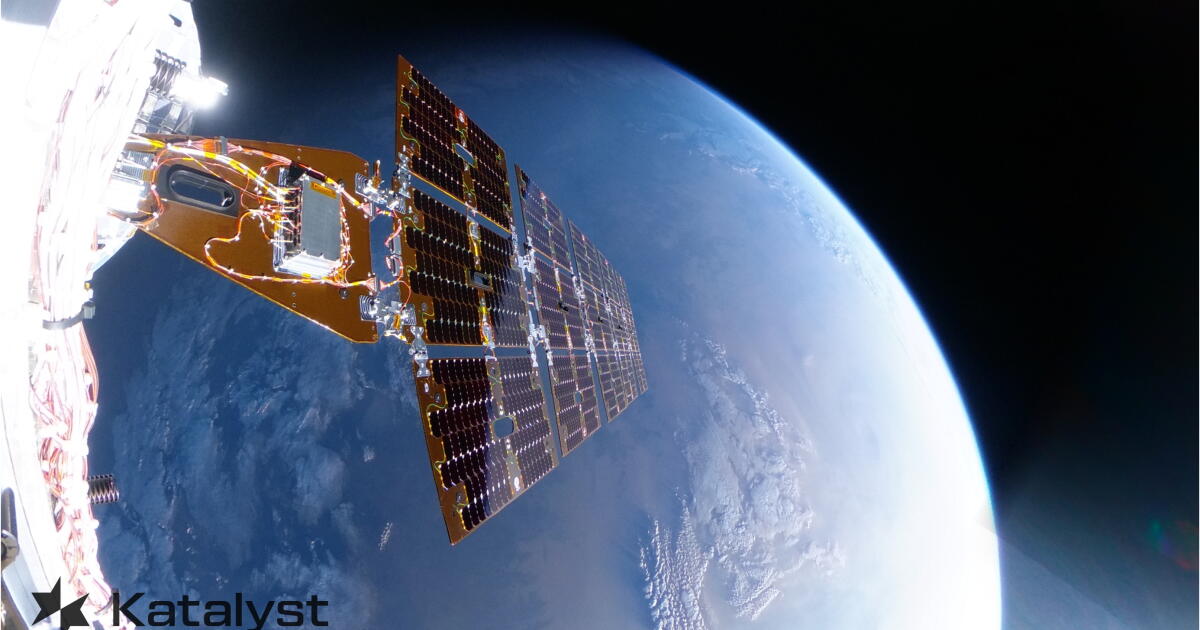
A private spacecraft attempted to rescue NASA's Swift Observatory but had to turn away due to low fuel. Katalyst Space Technologies' Link spacecraft got within nine miles of Swift, gathering data before running out of fuel. The rescue mission was called off in August, but the company saw it as practice for future satellite-servicing missions. Link encountered problems in orbit, spinning uncontrollably after the rescue attempt in July, leading to the mission's failure.
NASA paid Katalyst $30 million for the rescue attempt, which was viewed as an experiment with little to lose. Despite the unsuccessful outcome, NASA Administrator Jared Isaacman emphasized the importance of extending the life of valuable spacecraft if salvaging them is cost-effective. The Roman Space Telescope, designed for refueling, exemplifies this approach, even though it is destined for a distant observation point.
It is unlikely that Link has enough fuel for another close approach to Swift, but it can continue providing data before reentering the atmosphere in the coming weeks. Launched in 2004, Swift's orbit has been affected by intense solar storms, bringing it down sooner than expected. NASA expects Swift to reenter the atmosphere between October and the end of the year, with observations resuming after a pause earlier this year to conserve power.
Katalyst is working on a next-generation spacecraft that could boost the Hubble Space Telescope into a longer-lasting orbit. The Hubble, at 36 years old, still has a few years of life left, according to Lee. Servicing old telescopes and satellites is becoming more common, moving from a niche concept to a standard practice in the industry.