Justice Alito's Fossil Fuel Ties: Implications for Climate Change Accountability
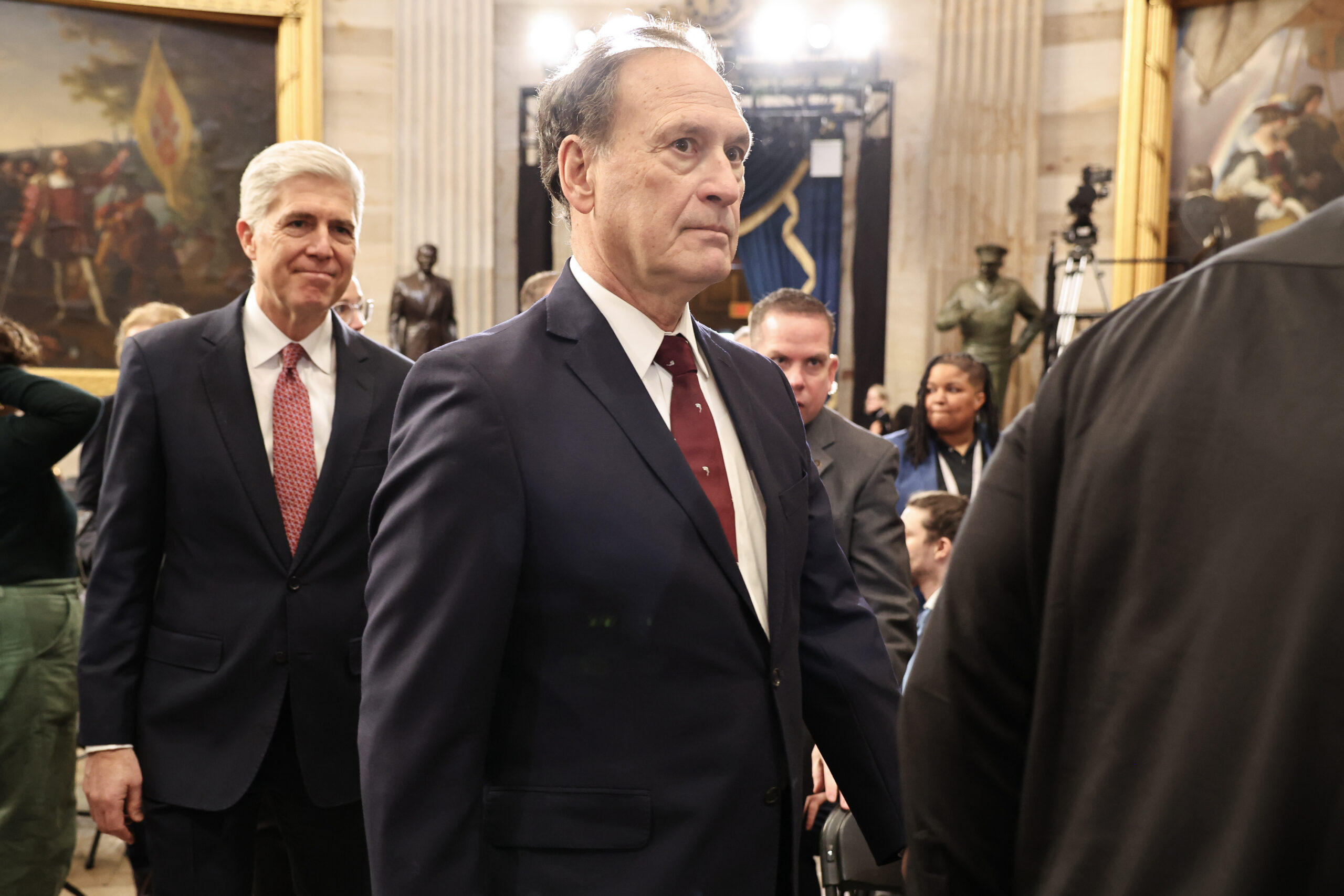
Samuel Alito, a Supreme Court justice known for his controversial opinions on abortion and involvement in the "Stop the Steal" movement, is also under scrutiny for his ties to the fossil fuel industry. The Supreme Court is set to hear a case on whether fossil fuel companies can be held accountable for climate change damages, with Alito's financial disclosures revealing significant investments in the oil, gas, and energy sectors. Despite potential conflicts of interest, Alito has not recused himself from the case, raising concerns about his impartiality.
In a lawsuit filed by Boulder, Colorado, against oil and gas giants Suncor and ExxonMobil, the companies are accused of contributing to greenhouse gas emissions that are exacerbating climate change. The impacts of climate change, such as extreme heat and dwindling snowpack, are affecting various sectors in Colorado, including agriculture, water supply, and the ski industry. The Supreme Court is scheduled to hear arguments on whether these corporations can be held responsible for the ongoing environmental crisis.
Alito's financial disclosures show a substantial investment in companies like ConocoPhillips, Woodside Energy Group, OGE Energy Corp., and Black Hills Corp., indicating a significant financial stake in the fossil fuel industry. While Alito no longer holds shares in ExxonMobil, his investments in other energy companies raise questions about his potential bias in cases involving fossil fuel companies. The implications of Alito's financial interests in the fossil fuel industry could impact his decisions on related legal matters.
The evidence linking fossil fuel companies to climate change impacts is substantial, with numerous lawsuits being filed against Big Oil in recent years. The increasing awareness of the environmental consequences of burning fossil fuels has led to a wave of legal actions against these companies. As the public becomes more informed about the role of corporations in climate change, there is a growing push for accountability and justice for the damage caused by these industries.
The urgency of addressing climate change and holding responsible parties accountable is underscored by the devastating impacts of global warming on communities worldwide. From deadly natural disasters to heatwaves and melting glaciers, the human cost of climate change is undeniable. As the legal landscape evolves to address environmental issues, the role of individual investors like Alito in supporting industries that contribute to climate change is coming under scrutiny.
The Supreme Court's upcoming decision on the liability of fossil fuel companies for climate change damages will have far-reaching implications for environmental accountability. While the court has the power to align with the interests of the fossil fuel industry, the growing momentum of climate change lawsuits signals a shift towards holding corporations accountable for their actions. As the legal battle against climate change intensifies, the need for transparency, accountability, and justice in addressing environmental crises becomes increasingly urgent.