Federal Judge Blocks Trump's Postal Service Mail Ballot Rules for November Election
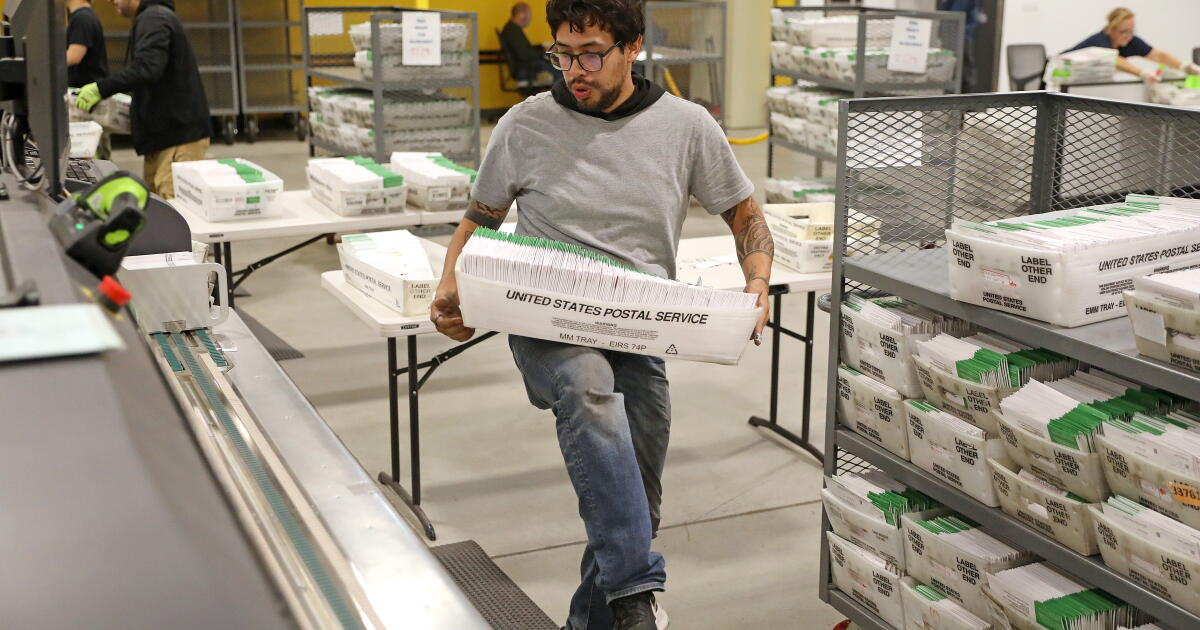
A federal judge has once again blocked the U.S. Postal Service from implementing President Trump's new mail ballot rules for the upcoming November election. The judge found that the Postal Service lacks the authority to make changes to elections and that implementing the rules could lead to chaos and disenfranchise voters. The judge's order came after a whistleblower alleged flaws in the Postal Service's new computer systems for the project and a top Postal Service official admitted that a key online portal was unfinished. The Trump administration had filed an emergency petition to the U.S. Supreme Court to allow the plans to proceed despite the court's previous rulings.
The new rules mandated by Trump's executive order in March would require states to submit voter lists to the Postal Service and adopt new ballot envelopes with individualized voter bar codes. The Postal Service would have the authority to reject mail ballots that do not match the lists. Trump claimed the changes were necessary to combat voter fraud, but experts have found no evidence of widespread fraud. Democrats and election officials in California and other states argued that the rules constitute federal overreach and an attempt to suppress votes.
The judge's ruling stated that the U.S. Constitution reserves the right to regulate elections to the states and Congress, not the executive branch. The states and voting rights groups challenging the rules argued that the changes would interfere with their mission to provide accurate information to voters. The Postal Service acknowledged that it was not ready to launch its new portal, leading to further uncertainty around the upcoming election.
The legal battles surrounding the Postal Service changes have created uncertainty about the November election. The rush to implement the new rules has raised concerns about potential disenfranchisement of voters. The Postal Service defended the development of its system, stating that quality and security standards were maintained. The judge's order provides relief to states challenging the rules and ensures that the changes will be blocked for the upcoming elections.
In conclusion, the ongoing legal challenges and court rulings have highlighted the importance of protecting voting rights and ensuring a fair and secure election process. The judge's decision to block the Postal Service changes underscores the need to uphold the integrity of the electoral system and prevent any actions that could disenfranchise voters. The upcoming election will proceed with the existing mail voting procedures, providing voters with a convenient and secure way to cast their ballots.