Denmark's Plan to Establish 'Return Hubs' for Rejected Asylum Seekers Outside the EU: A Shift in European Migration Policy
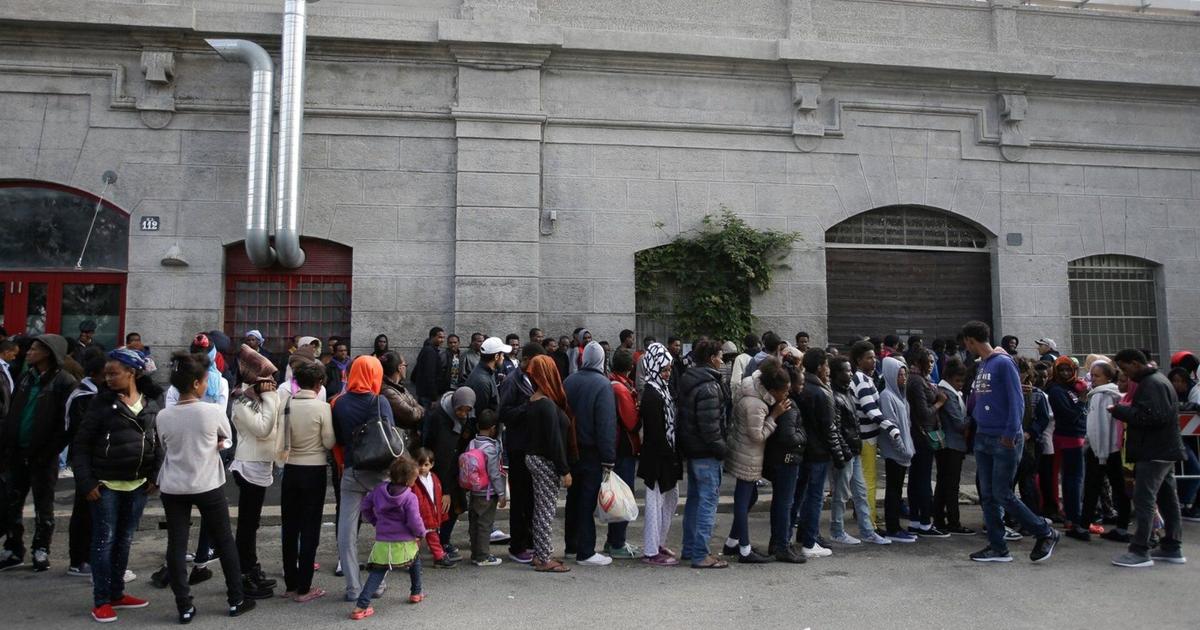
Denmark is planning to start sending rejected asylum seekers to non-European Union "return hubs" by 2027. This initiative is part of European efforts to establish centers outside the continent for handling migrants who have been denied asylum. In June, European lawmakers granted member states the authority to create migrant detention centers outside the EU, allowing countries to negotiate deportation agreements with third countries. This move marks a significant shift in how the EU handles migration issues and aims to address the challenges associated with returning migrants to their home countries.
The establishment of "return hubs" outside the EU is seen as a way to streamline the deportation process and alleviate the burden on member states. By sending rejected asylum seekers to these facilities, countries can more effectively manage migration flows and ensure that individuals who do not qualify for asylum are returned to their countries of origin. This approach also aims to deter irregular migration and strengthen border control measures to protect the EU's external borders.
Denmark's announcement comes ahead of a meeting involving five countries leading European efforts to set up "return hubs" outside the EU. This collaborative effort reflects a shared commitment to addressing migration challenges and finding sustainable solutions to manage the influx of migrants. By working together, these countries can leverage their resources and expertise to establish effective mechanisms for processing and returning rejected asylum seekers.
Overall, the initiative to establish "return hubs" outside the EU represents a proactive approach to managing migration and asylum issues in Europe. By creating designated facilities for handling rejected asylum seekers, countries can enhance their ability to enforce immigration policies and ensure compliance with international laws. This coordinated effort underscores the importance of cooperation and solidarity among EU member states in addressing complex migration challenges and upholding the principles of humanitarian protection and border security.