Controversy Surrounding Exclusive Nicotine Pouch Deal with Bureau of Prisons
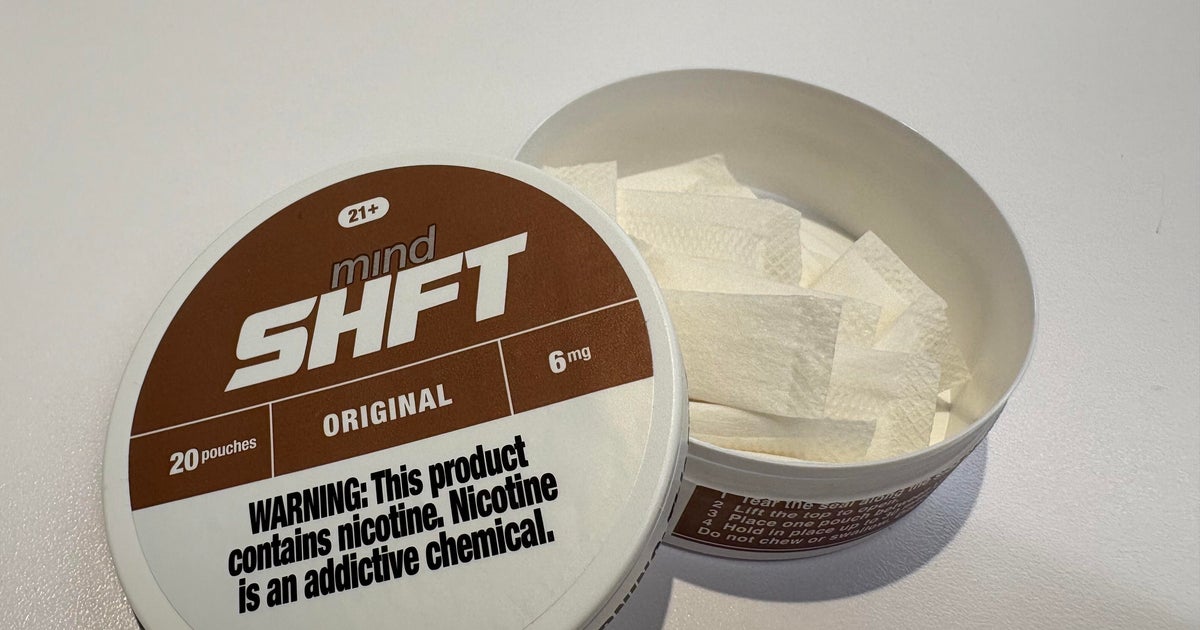
A Florida company recently secured a deal to supply flavored nicotine pouches exclusively to the Bureau of Prisons' commissaries across 118 institutions. The brand, named "mindSHFT," is not approved by the FDA for sale in the U.S. and is not available commercially. Following an investigation by CBS News and a whistleblower complaint, the prison officials have paused the distribution of these pouches until further review.
The Bureau of Prisons introduced nicotine pouches in commissaries to combat contraband tobacco trafficking within federal prisons. However, the decision to suspend the procurement and sales of these products was made after consulting with the FDA and conducting a legal review of the existing inventory. The company supplying the pouches, SHFT Enterprise Holdings LLC, was established in Florida shortly after the BOP's request for information seeking vendors for FDA-authorized nicotine pouch products.
Despite not having a formal contract with the company, the BOP's trust fund chief authorized the sale of nicotine pouches through a memo to all federal prisons. The pricing records show that the company charged $6.99 per tin to the BOP, while inmates were charged $9.10 each. The decision to halt the sales came after questions arose about the legality and FDA authorization of the product.
Nicotine pouches are a rapidly growing segment of the U.S. tobacco market, with various brands offering synthetic or tobacco-derived nicotine. The website of SHFT Enterprise Holdings promotes the pouches as a healthier alternative to cigarettes, claiming to reduce harm significantly. However, there is no mention of FDA authorization on their website or packaging.
Limited information is available about SHFT Enterprise Holdings online, with the main point of contact being Kevin Mastaler, who previously worked at a fitness supplement company. The company's registration and sales records offer some insights into its operations, but questions remain about its selection by the Bureau of Prisons.
The decision to introduce nicotine pouches to federal inmates has raised concerns among correction officials due to health and safety implications. The sale of smoking and tobacco-related products in federal prisons has been prohibited since 2014, but the regulation does not cover nicotine pouches, which were not available commercially at the time. The extent of the sales and the involvement of key individuals in the company remain unclear, prompting further scrutiny into the matter.