Adapting to Drought: Kansas Farmers Embrace Innovation for Sustainable Agriculture
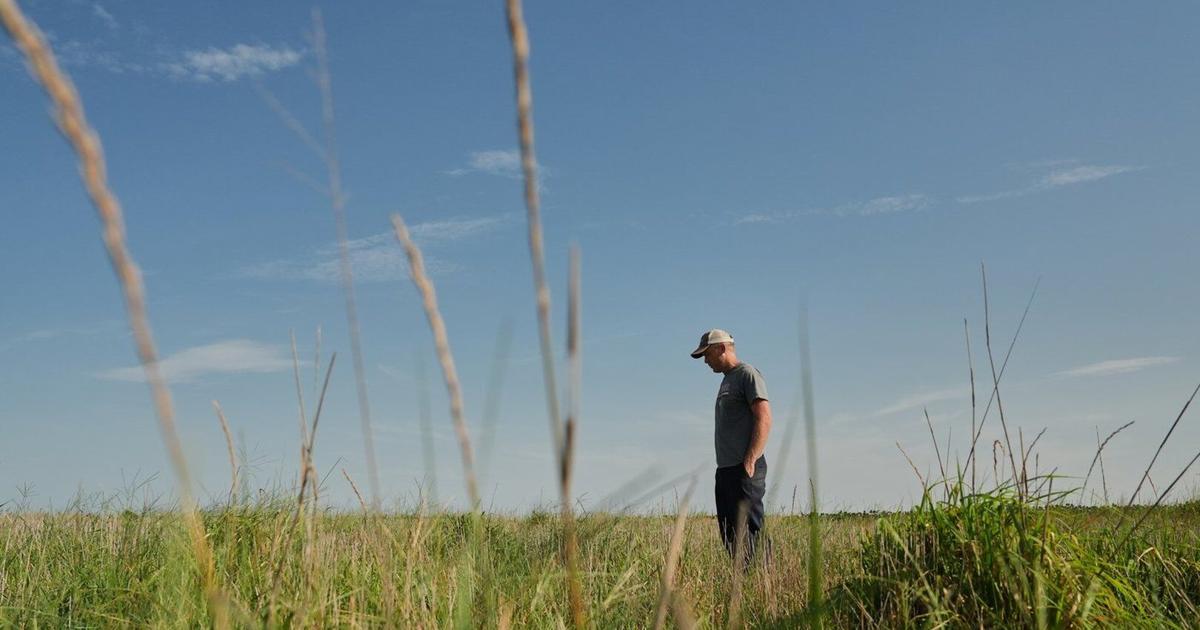
Bryce Black is assessing the impact of a severe drought on his wheat field in Beloit, Kansas. He observes the small seed heads, highlighting the effects of the dry conditions on the crop's growth. Despite initial optimism after a late October rain, the lack of moisture during the winter and spring led to extreme drought during a critical growth period. As a fourth-generation farmer managing 1,800 acres of winter wheat, Black faced challenges in harvesting only about 1,500 acres, resulting in the lowest yield since he assumed control of the family farm in 2017.
The drought's toll on agricultural production is evident across Kansas, with farmers like David Mueller experiencing similar struggles. Mueller, standing in his Kernza field in Halstead, Kansas, reflects on the impact of adverse weather conditions on his crops. The dry winter and spring conditions have posed significant challenges for farmers, affecting the growth and yield of essential crops like winter wheat and Kernza. As they navigate the uncertainties of weather patterns and climate change, farmers are adapting their practices to mitigate the impact of drought on their livelihoods.
In response to the ongoing challenges posed by drought, farmers in Kansas are exploring innovative solutions to sustain agricultural productivity. By implementing water-saving techniques, diversifying crop varieties, and adopting resilient farming practices, they aim to enhance crop resilience and mitigate the impact of extreme weather events. Despite the adversity faced by farmers like Black and Mueller, their commitment to sustainable agriculture and resilience in the face of climate challenges underscores the importance of adaptation and innovation in ensuring food security and agricultural sustainability.
In conclusion, the impact of drought on Kansas farmers like Bryce Black and David Mueller underscores the urgent need for sustainable agricultural practices and resilience in the face of climate change. As they navigate the challenges of extreme weather events and water scarcity, farmers are embracing innovative solutions to enhance crop productivity and mitigate the impact of adverse conditions on their livelihoods. By prioritizing sustainability and adaptation, farmers are working towards a more resilient agricultural sector that can withstand the challenges of a changing climate.