The Decision to Pursue the Death Penalty in the Case of Tyler Robinson: Assessing the Risk to Bystanders in the Shooting of Charlie Kirk
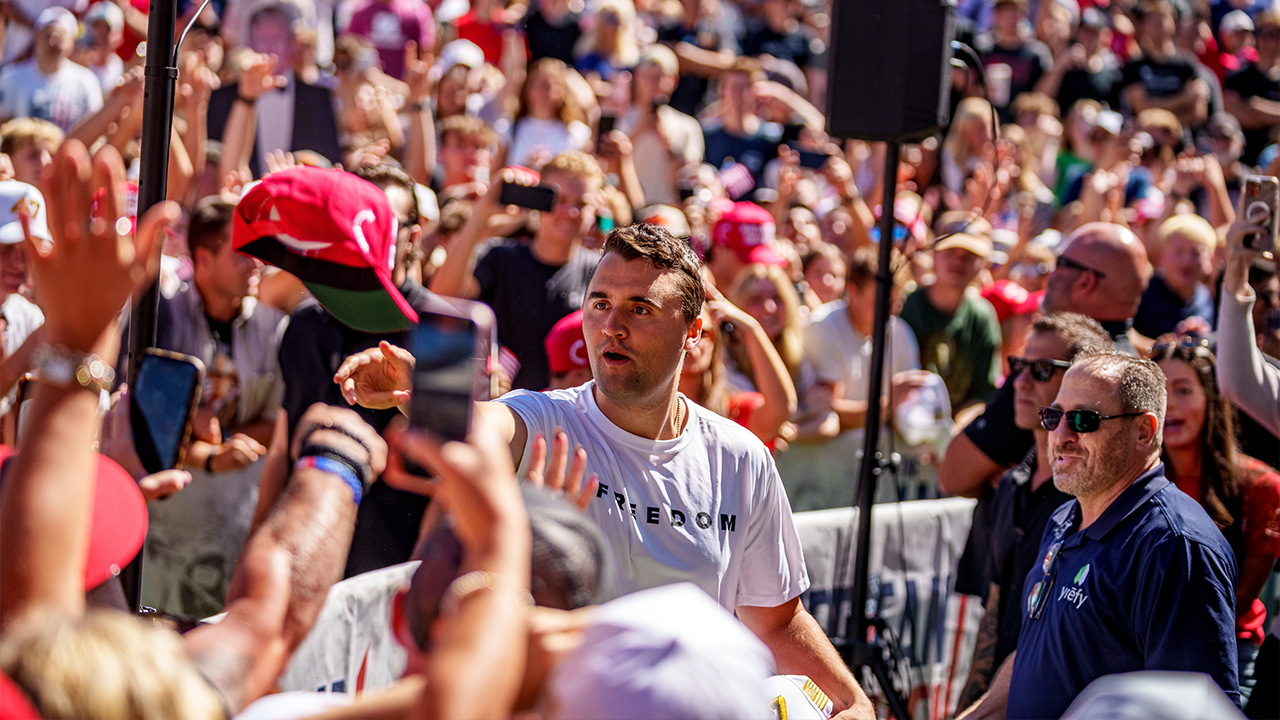
The decision to keep the death penalty as an option in the case against Tyler Robinson, the accused assassin of Charlie Kirk, was based on the belief that Robinson knowingly put bystanders at risk during the shooting incident. The shooting took place at a Turning Point USA event at Utah Valley University, where Kirk was fatally shot in front of a large crowd. The judge ruled that the positions of individuals near Kirk at the time of the shooting met the legal requirement for probable cause.
During the event, Kirk was seated under a tent, answering questions from the audience when the fatal shot allegedly came from the rooftop of a nearby building. The physical evidence indicated that the shot was fired from an elevated position, approximately 415 feet away from Kirk. The bullet trajectory and the proximity of individuals to the intended target supported the inference that bystanders were in danger during the shooting.
The state presented evidence suggesting that Robinson was aware of the risk to individuals near Kirk when he fired the shot. Robinson faces multiple charges, including aggravated murder, felony discharge of a firearm causing serious bodily injury, obstruction of justice, witness tampering, and committing a violent offense in front of a child. The top charge of aggravated murder carries the potential for capital punishment.
The case against Robinson has been bound over for trial, with the judge allowing all charges to proceed. The defense entered not guilty pleas on Robinson's behalf, and a pretrial conference is scheduled for October 23 to potentially set a trial date. The decision to include the death penalty as an option in the case was based on the evidence presented and the potential risk to bystanders during the shooting incident.