Seeking Justice: The Fight for Compensation and Recognition in the Aftermath of the Sharpeville Massacre
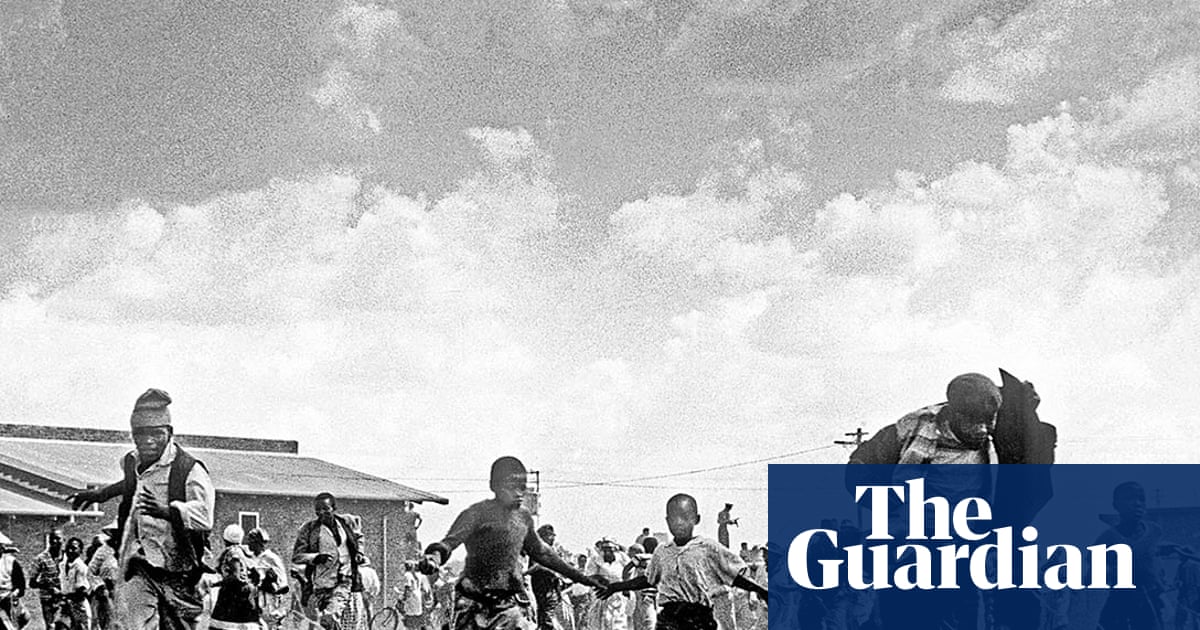
On 21 March 1960, residents of Sharpeville protested against pass laws that restricted the movement of Black, Indian, and Coloured South Africans. Abraham Mofokeng, a participant in the peaceful march organized by the Pan Africanist Congress, witnessed the tragic events of the Sharpeville massacre, where police opened fire on the crowd, resulting in numerous deaths and injuries.
Mofokeng, now 86, was among those injured during the massacre, with a bullet lodged in his spine. He is one of three claimants seeking compensation from the South African government for the events of that day. This legal action is part of a broader movement demanding justice for apartheid-era crimes and addressing the ongoing racial inequality and poverty in post-apartheid South Africa.
In recent years, survivors and relatives of apartheid-era violence victims have taken legal action against the government for failing to prosecute cases referred by the Truth and Reconciliation Commission. The legal team representing the claimants in the Sharpeville compensation case argues that a law indemnifying the government for actions taken during the massacre is unconstitutional.
The claimants are seeking compensation of approximately 500,000 rand each, hoping to address the long-lasting impact of the massacre on their lives. Mofokeng, who received a one-time payment from the TRC in 2003, continues to struggle with health issues and financial difficulties. Another claimant, Paulina Mathinye, lost her father in the massacre and hopes for compensation to make up for the opportunities she missed out on due to her father's death.
Vincent Thamae, a PAC member supporting the massacre victims and their families, highlights the historical injustices faced by Black South Africans, including land dispossession and economic exclusion. The call for compensation extends beyond monetary reparations to address the broader impact of apartheid policies on individuals and communities.
In seeking compensation for the Sharpeville massacre, the claimants aim to address the ongoing legacy of apartheid and advocate for justice and recognition of the sacrifices made by those who fought against racial oppression in South Africa.