Pioneering Pig-to-Human Kidney Transplant: A Groundbreaking Medical Milestone
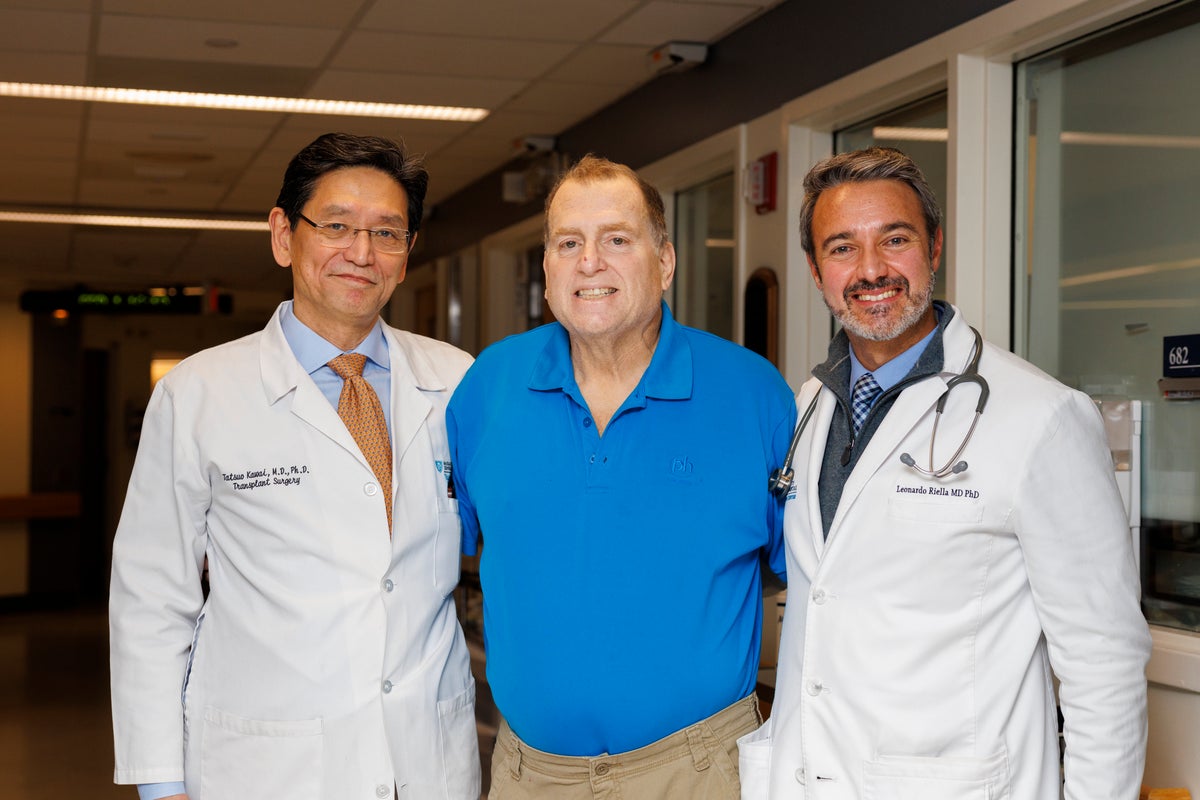
A groundbreaking medical achievement has been made as a man successfully lived without dialysis for nine months after receiving a genetically modified pig kidney. Tim Andrews, a 66-year-old from New Hampshire, underwent the innovative procedure in the US in January 2025 due to end-stage kidney failure caused by type 2 diabetes. The genetically engineered pig kidney, designed for compatibility with the human immune system, served as a temporary solution while Mr. Andrews awaited a human kidney transplant. This milestone marks the longest recorded dialysis-free survival following a pig kidney transplant in a living patient and the first successful transition from pig-to-human kidney transplantation.
The genetically modified pig kidney was transplanted in January last year and immediately started functioning. However, after about six months, damage occurred in the kidney's blood vessels, leading to organ failure, and the pig kidney had to be removed. Subsequently, Mr. Andrews received a kidney from a deceased human donor. Despite the challenges, he expressed gratitude for the pig kidney transplant, describing it as a "miracle" that allowed him to resume daily activities like cooking, vacuuming, and taking long walks with his dog Cupcake. Researchers confirmed that no pig viruses or pathogens were detected during the process, supporting the potential of pig kidney transplantation as a bridge for individuals awaiting human kidney transplants.
Dr. Leonardo Riella, the lead author of the study published in the Lancet medical journal, emphasized the critical role of xenotransplantation in addressing the organ shortage crisis in transplantation. He highlighted the importance of patient participation in advancing the science of pig-to-human organ transplants, acknowledging their trust and courage as pioneers in the field. While the UK has not initiated clinical trials for similar procedures, advancements in genetic technology have made pig organ transplants more feasible by minimizing the body's recognition of the foreign organ. Dr. Rommel Ravanan, chief medical officer for NHS Blood and Transplant, emphasized the urgent need for more organ donors to support individuals on transplant waiting lists.
The successful pig kidney transplant in Mr. Andrews showcases the potential of xenotransplantation as a viable solution for patients facing organ shortages. With ongoing research and advancements in genetic technology, pig-to-human organ transplants could offer hope to individuals awaiting life-saving procedures. The collaboration between medical experts, researchers, and courageous patients like Mr. Andrews paves the way for future innovations in transplantation, emphasizing the importance of organ donation and public support for medical advancements in the field.