U.S. Treasury Department Distributes $106 Billion in Tariff Refunds to Businesses: Latest Updates and Impact on Small Businesses
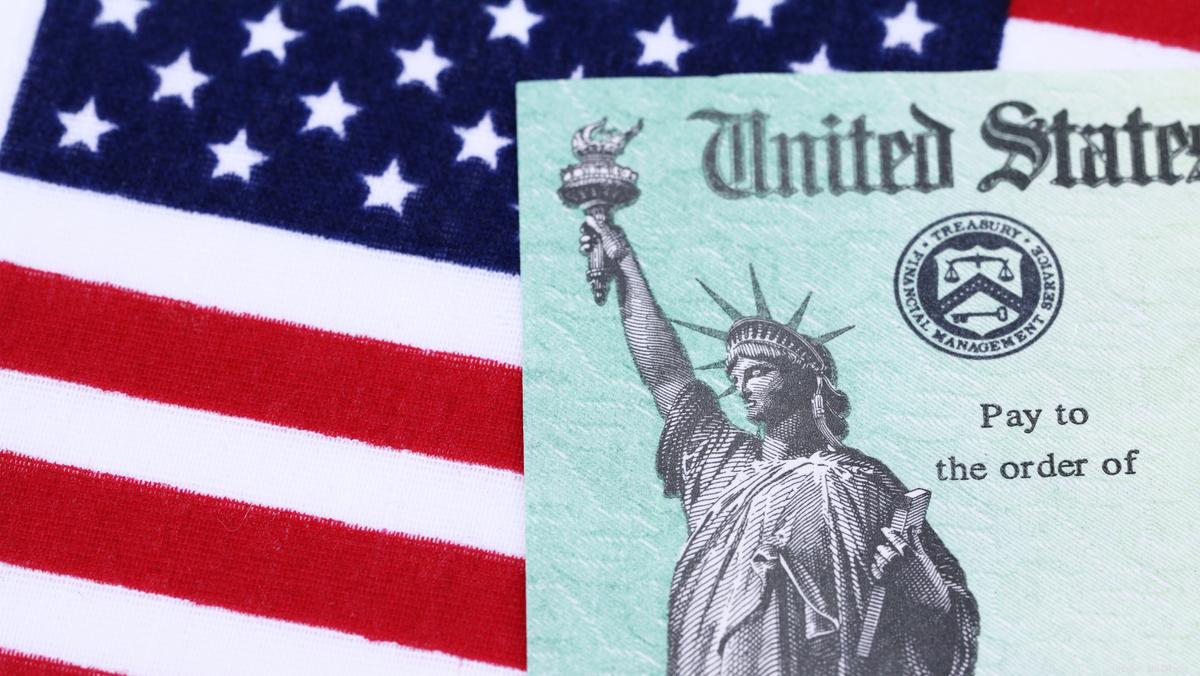
The United States has allocated over $106 billion in tariff-related refunds to the Treasury Department for distribution to businesses. Brandon Lord, from the U.S. Customs and Border Protection, reported that the agency has received refund requests totaling about $132.5 billion. Some refunds, amounting to $1.7 billion, are pending due to missing ACH routing account numbers, while the rest are still in the processing stage.
The refund process was initiated following a court order in March to refund tariffs collected under the International Emergency Economic Powers Act, which were deemed unconstitutional by the U.S. Supreme Court. The Trump administration imposed new tariffs targeting forced labor practices, affecting numerous countries and economies. These tariffs, along with expiring tariffs, have impacted the manufacturing sector negatively.
The latest update on the refund process indicates that refunds are for unliquidated imports or those liquidated within the last 80 days. The agency has postponed a system upgrade to accommodate refunds for fully-liquidated tariffs outside this timeframe. Refunds are only issued to importers of record, leading to legal disputes as costs were often passed down the supply chain.
Some companies have facilitated refund claims for customers, while major retailers like Amazon and Walmart have either lowered prices or prevented price increases due to the refund process. Companies like FedEx and Lowes have already received significant refunds. Small businesses have been particularly affected by higher tariffs, with surveys showing increased costs, supply chain disruptions, and the need to raise prices.
Research indicates that a significant number of small businesses plan to raise prices in the coming months due to inflation and rising expenses. Concerns about inflation have been on the rise among small businesses, with many citing it as their top worry. The U.S. Chamber of Commerce's survey highlights that inflation is a major concern for small businesses, leading to price adjustments to maintain competitiveness.
If you want to receive more stories like this, subscribe to The Playbook newsletter.