Enhancing Warfighter Readiness: Pentagon Mandates Testosterone Screening for Male Service Members Aged 30 and Above
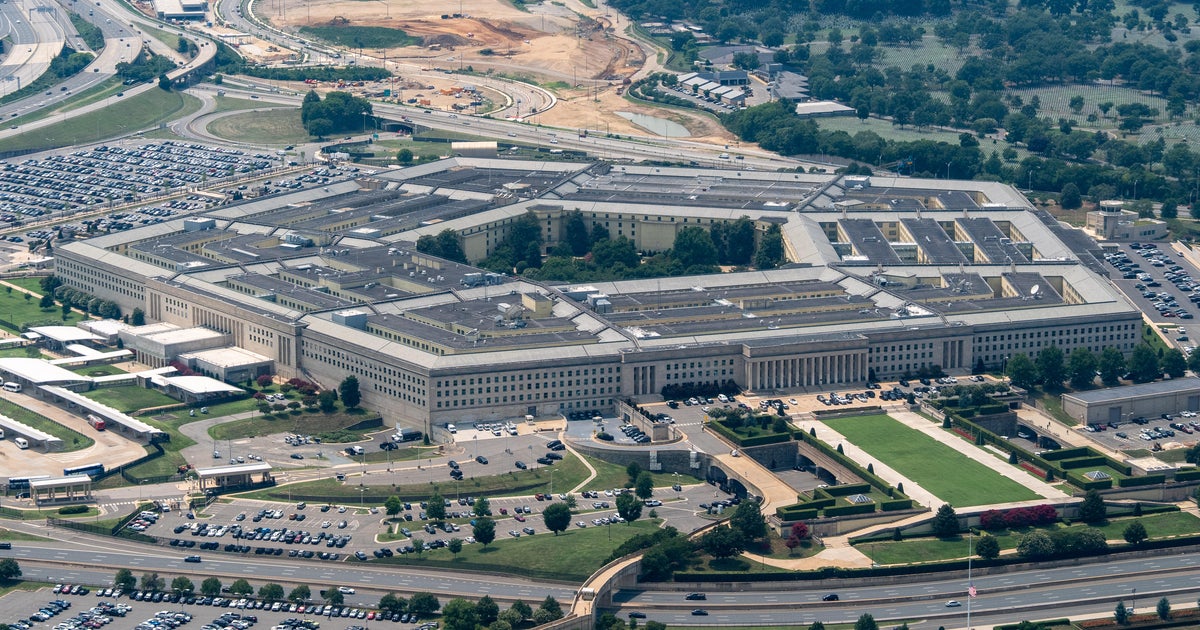
The Pentagon has announced that male service members aged 30 and above will now be required to undergo screening for testosterone deficiency as part of their regular health assessments. The Defense Health Agency has issued clinical guidelines for these tests, which will involve screenings and blood tests for active-duty troops and reservists in that age group. Those diagnosed with low testosterone will receive follow-up screenings and treatment, including testosterone replacement therapy if necessary.
Service members under 30 will have the option of annual screenings, while female service members will be asked about any symptoms of hormonal dysregulation and referred for further assessment if needed. The Defense Department aims to invest in the health of its warfighters, enhance their performance, and maximize force readiness through these measures.
Defense Secretary Pete Hegseth emphasized that the initiative is not about artificial enhancement but rather about restoring and optimizing natural capabilities to support longevity and combat readiness. The guidelines highlight testosterone levels as a critical biological marker for Warfighter readiness, impacting various aspects of physical and mental health.
Medical experts have highlighted the potential risk of decreased testosterone levels among service members due to high-stress environments and operational tempo. Studies suggest that individuals in high-stress roles, such as Special Operations Forces, may be at a heightened risk of hormone issues and other medical conditions, a phenomenon referred to as "Operator Syndrome." Chronic stress, blast exposure, traumatic brain injuries, and sleep disruptions are cited as potential factors contributing to this condition.
In conclusion, the Pentagon's decision to implement mandatory testosterone screening for male service members aged 30 and above reflects a proactive approach to safeguarding the health and readiness of military personnel. By addressing potential hormone imbalances and providing appropriate treatment, the military aims to support the well-being and performance of its warfighters.