Deliberations Continue: The Lindsay Clancy Murder Trial Jury Faces Tough Decision
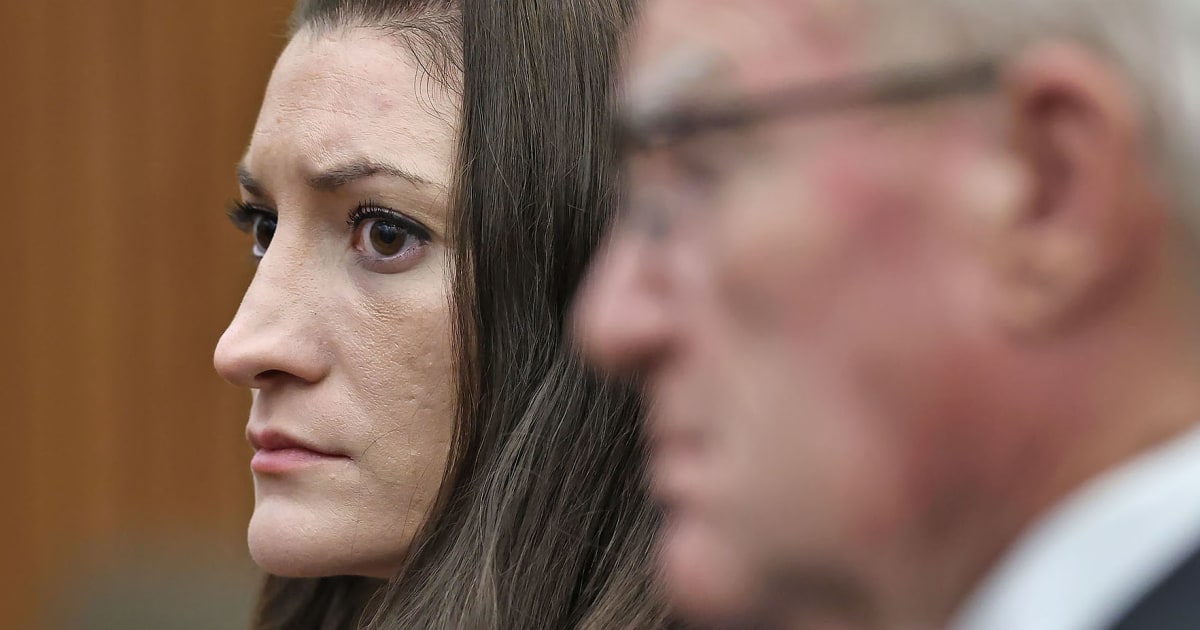
The Lindsay Clancy murder trial jurors continued deliberations for a fifth day after sending a deadlock note to the judge. Dawn Light, 56, from Sutton, Massachusetts, was arrested outside the courthouse on a charge of intimidation of a witness, jurors, or person furnishing information in connection with criminal proceedings. The jury, consisting of nine women and three men, informed Judge William Sullivan that they had not reached a unanimous decision after an hour of deliberations. The judge encouraged them to reach a verdict, as Massachusetts law limits the number of times a judge can ask a jury to deliberate further. Defense attorney Kevin Reddington praised the jury's hard work and expressed readiness for a potential second trial if needed.
The jury in the Lindsay Clancy murder trial is tasked with determining her criminal responsibility for the deaths of her three children: Cora, 5, Dawson, 3, and Callan, 8 months. Clancy's defense team argues that she was suffering from postpartum psychosis and acted on auditory hallucinations when she killed her children. They claim that medical professionals failed her by overprescribing medications. In contrast, the prosecution contends that Clancy was not in psychosis when she committed the murders, alleging that she planned the attacks in advance and intentionally sent her then-husband away to carry them out. The trial has garnered public attention as the jury deliberates on this complex and tragic case.
In conclusion, the Lindsay Clancy murder trial continues to captivate public interest as jurors deliberate on the crucial question of Clancy's criminal responsibility for the deaths of her three young children. The defense and prosecution present contrasting narratives of Clancy's mental state and intentions on the night of the tragic events, highlighting the complexities of the case. As the trial unfolds, the outcome remains uncertain, with the jury's decision holding significant implications for the future course of legal proceedings in this high-profile case.