Building Bridges: Understanding the Military-Civilian Divide in the United States
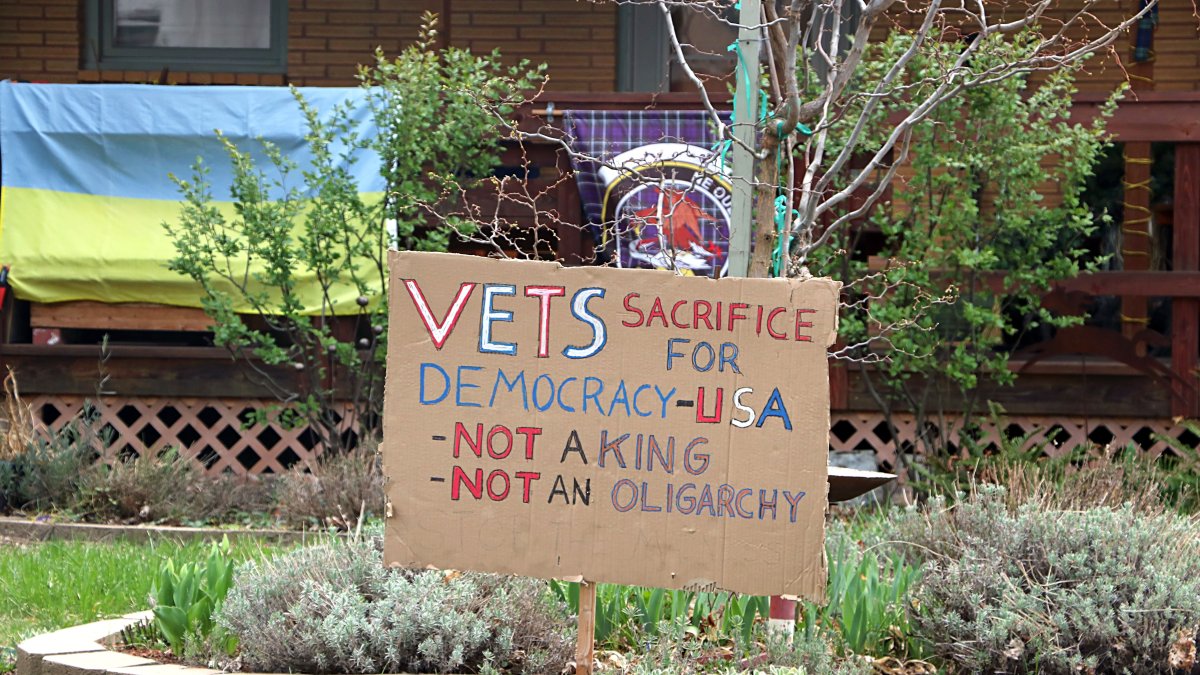
The emotional experience of Qwynn Galloway-Salazar highlights the disconnect between military and civilian life in the United States. The country's history is deeply intertwined with its military past, but the majority of American adults are not directly connected to the military community. The public often only pays attention to military issues during crises, leading to a lack of understanding and connection between civilians and service members.
The relationship between the country and its military has been a topic of concern since the founding of the nation. While the need for a military to protect the country is clear, the divide between military and civilian life has widened over time. The end of the draft in 1973 marked a shift towards an all-volunteer military, resulting in a smaller percentage of the population serving in the armed forces.
Today, military service tends to run in families and communities, creating a concentration of military personnel in certain regions. This concentration can lead to unequal burdens and responsibilities for military families, as well as a lack of shared experiences with the general public. Efforts to recruit from a wider pool of young Americans are underway to address this issue and create a more diverse military force.
The consequences of military actions are often borne by a small group of families, while the rest of the public remains disconnected from the realities of military life. Stereotypes and assumptions about military members and veterans can further perpetuate the divide between military and civilian populations. Closing this gap requires a greater understanding of the diverse roles within the military and the challenges faced by service members and their families.
Efforts to bridge the military-civilian divide are not about everyone enlisting, but about fostering connections and understanding between military families and the general public. Building relationships and offering support to military families can help create a more inclusive and supportive community for those who serve. By increasing awareness and empathy for the experiences of military personnel, we can work towards a more connected and cohesive society.