The Future of Cuba: Speculation Surrounding Raúl Castro's Health and Its Implications
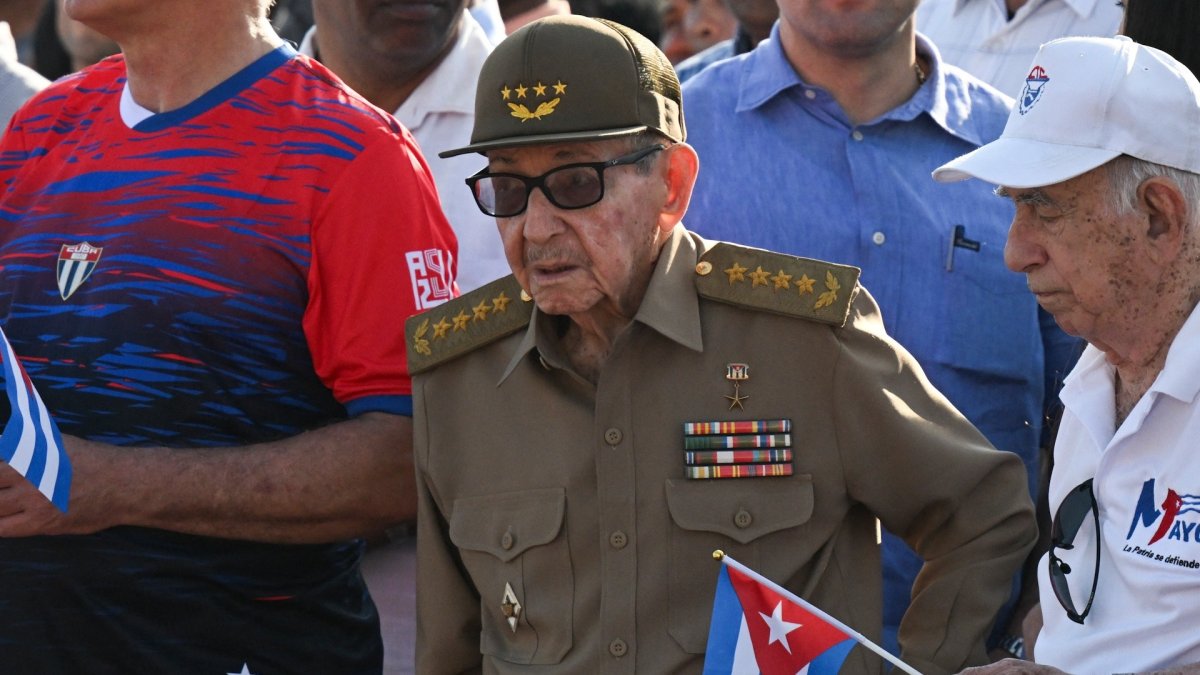
Speculation is swirling about the health of former Cuban leader Raúl Castro, with reports suggesting he is critically ill after suffering a stroke. Despite no longer holding a formal leadership position, Castro, 95, is considered a key figure in Cuba's communist government. His potential absence could create uncertainty within the ruling establishment, as he has been a significant figure in Cuban history since the revolution.
Raúl Castro took over leadership in 2008 after his brother Fidel Castro stepped down due to illness. He has been a central figure in the Cuban regime, with a strong influence over the military and the Communist Party. While officially Miguel Díaz-Canel holds the presidency, analysts believe Raúl Castro still wields substantial power behind the scenes. His legacy remains controversial, with some Cuban exiles and opposition activists criticizing his role in the regime's history.
During his time as president, Raúl Castro implemented limited economic reforms and played a key role in restoring diplomatic relations with the United States in 2014. However, he has also faced scrutiny, with the U.S. Department of Justice indicting him earlier this year in connection with the 1996 shootdown of two Brothers to the Rescue aircraft. The reports of Castro's health have also brought attention to his grandson, Raúl Guillermo Rodríguez Castro, who is known as "El Cangrejo" in Cuba.
The uncertainty surrounding Raúl Castro's health has raised questions about the future of Cuba's leadership and the stability of the ruling establishment. As one of the most influential figures in modern Cuban history, his potential absence could have significant implications for the country's political landscape. The situation is being closely monitored by observers and analysts as they assess the potential impact of Castro's health on Cuba's future.