Navigating the Global Bond Sell-Off: Impact on Borrowing Costs and Savings Rates
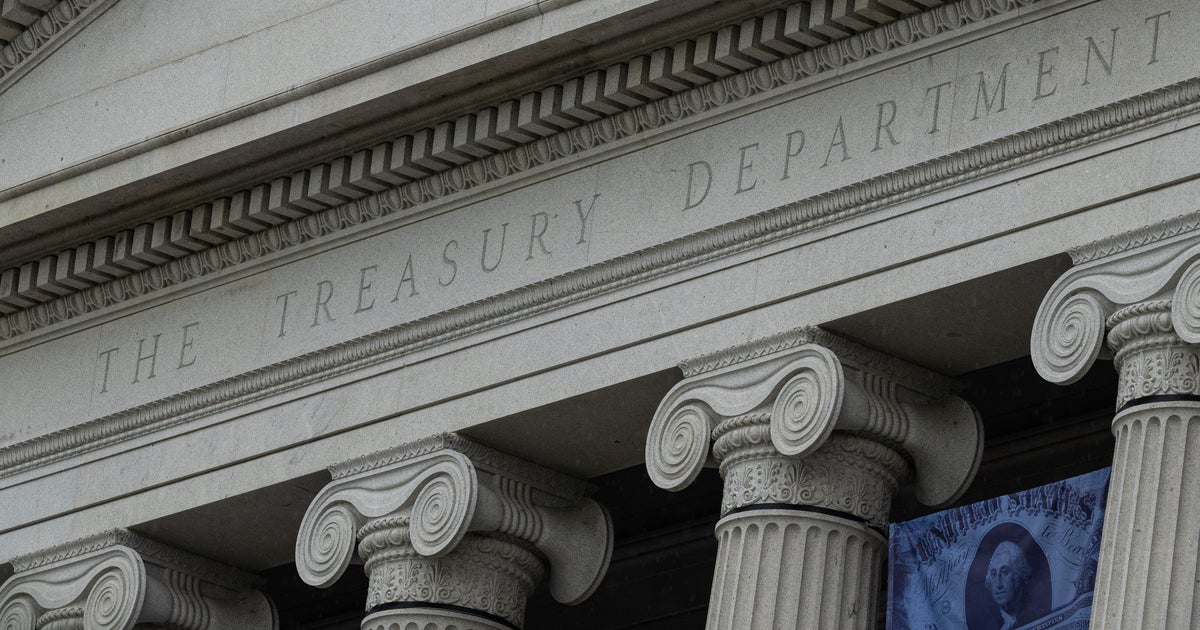
The rise in Treasury yields continued on Tuesday, leading to a global bond sell-off that could impact borrowing costs for many Americans. The 10-year Treasury yield climbed to 4.78%, the highest level since January 2025, while the 2-year Treasury yield rose to 4.37%. The 30-year Treasury yield hovered around 5.25% on Tuesday. This surge in yields is driven by concerns about inflation and government debt, prompting investors to seek higher returns to offset the increased risk.
The global bond sell-off has pushed a key Bloomberg gauge of bond yields to 3.72%, its highest level since June 2008. Factors contributing to this sell-off include fiscal concerns, rising energy prices, and increased investment in artificial intelligence. Investors are selling off government bonds as they worry about inflation and growing government debt, leading to higher yields as compensation for the added risk.
Investors are particularly concerned about rising energy prices due to ongoing tensions between the U.S. and Iran. The recent military action against Iran has caused oil prices to spike, raising fears that the conflict could further fuel inflation and drive up borrowing costs. The Federal Reserve has been monitoring inflation closely and may consider raising interest rates if inflation does not subside.
The potential for a Fed rate hike in September has increased, with interest rate traders putting the likelihood at 66%, according to CME Group's FedWatch tool. Movements in the bond market have a direct impact on consumer loans and savings rates, affecting how much individuals pay for loans and earn on their savings accounts. Higher government yields can lead to increased borrowing costs for items like auto loans and mortgages, while also impacting stock prices and business expansion.
While higher yields may pose challenges for borrowers, they can benefit savers with high-yield savings accounts and CDs. Analysts suggest that the current bond sell-off may not reverse course quickly, with yield volatility expected to persist in the near term. Ulrike Hoffmann-Burchardi of UBS Global Wealth Management anticipates that Treasury yields will stabilize by the end of the year, with the 30-year and 10-year yields projected to reach 5% and 4.5%, respectively.
In conclusion, the recent surge in Treasury yields reflects ongoing concerns about inflation, government debt, and geopolitical tensions. Investors are adjusting their portfolios in response to these factors, which could impact borrowing costs and savings rates for consumers. The outlook for Treasury yields remains uncertain, with analysts predicting continued volatility in the near term before potential stabilization by the end of the year.