Balancing Renewable Energy Supply and Demand: Challenges and Solutions in India
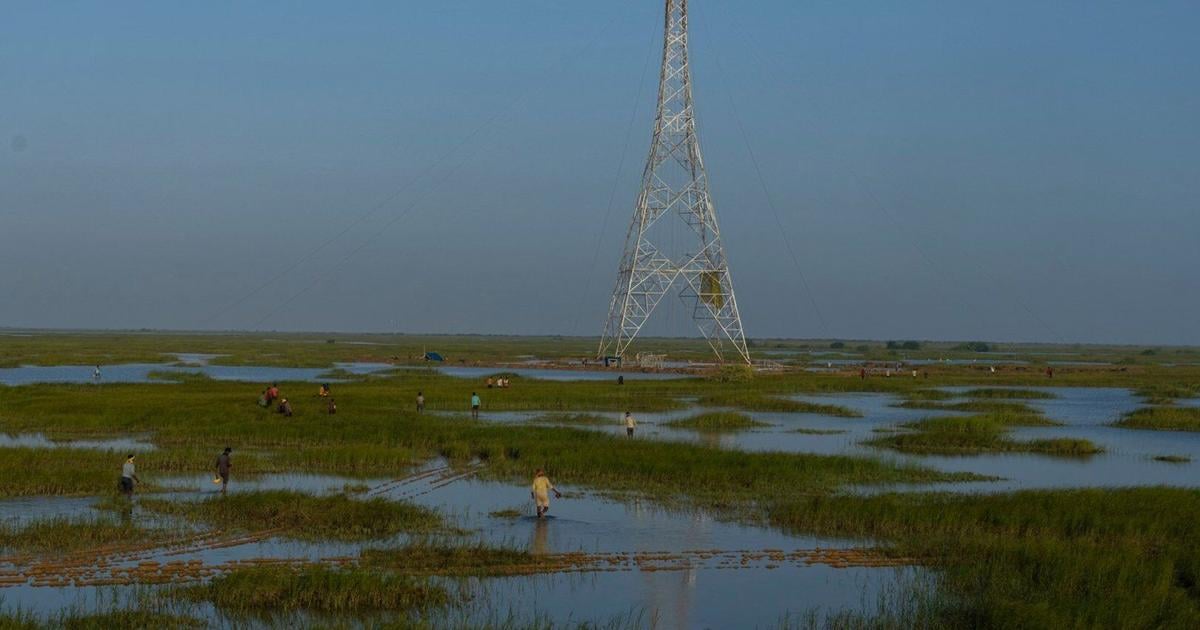
India faced challenges in meeting its power demand during the summer months when air conditioners were running longer due to hotter nights. Despite the increased demand, renewable energy providers were asked to limit their output as the grid could not handle the surplus clean electricity available. Over the past 15 months, India had to curtail nearly 11 terawatt-hours of solar generation, equivalent to powering around 10 million homes. This unused solar power came at a time when the country needed more electricity for cooling and agricultural purposes due to extreme heat and poor monsoon rains.
The situation highlighted the need for better coordination and infrastructure to manage the growing renewable energy capacity in India. The country's power grid faced challenges in integrating the increasing amount of clean energy sources, leading to curtailment of solar power despite high demand. The mismatch between supply and demand underscored the importance of upgrading the grid infrastructure to ensure efficient utilization of renewable energy resources.
Efforts are being made to address the grid constraints and optimize the utilization of renewable energy in India. The government is working on enhancing grid flexibility and storage capacity to accommodate the fluctuating output of solar and wind power. By improving grid management and investing in energy storage technologies, India aims to reduce curtailment of renewable energy and enhance the reliability of its power supply. The transition to a cleaner and more sustainable energy system requires a holistic approach that includes grid modernization, storage solutions, and policy support to maximize the benefits of renewable energy for the country's energy needs.