The Lindsay Clancy Trial: A Case of Tragedy, Mental Health, and Legal Responsibility
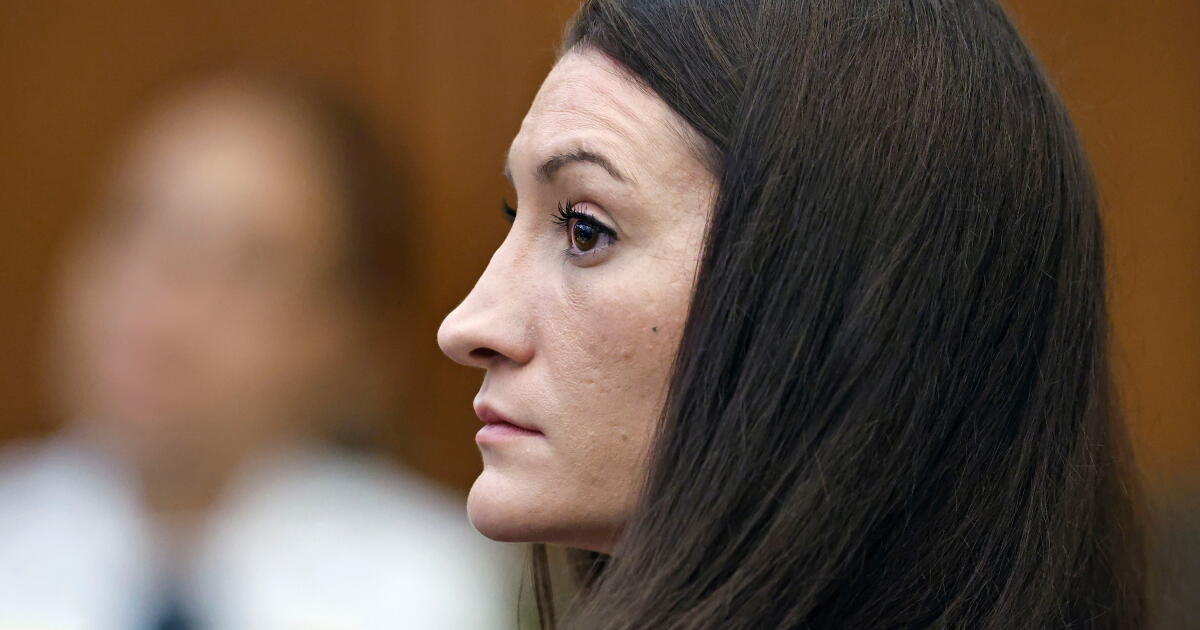
The Lindsay Clancy trial has captured public attention as jurors deliberate on whether she should be held criminally responsible for the tragic deaths of her three young children in 2023. The trial featured emotional testimonies from family members, first responders, and healthcare professionals, shedding light on Clancy's mental health struggles and the events leading up to the tragedy. Both the defense and prosecution agree that Clancy committed the act, but they differ on whether she should be held accountable for her actions. The jury faces the weighty decision of determining Clancy's fate, with potential outcomes ranging from life in prison to release or confinement in a mental health facility.
Throughout the trial, witnesses painted a picture of Clancy's deteriorating mental state following the birth of her youngest child. Testimonies from Clancy's former husband, Patrick Clancy, and family members highlighted her escalating anxiety, paranoia, and suicidal thoughts. Clancy's plea for help and struggles with insomnia and medication side effects were detailed in text messages and interactions with healthcare providers. The defense argued that Clancy's postpartum psychosis, exacerbated by inadequate mental healthcare, played a significant role in the tragic events.
The prosecution presented a different narrative, contending that Clancy's actions were premeditated and intentional. Witnesses testified to Clancy's state of mind leading up to the incident, with conflicting accounts from forensic psychologists regarding her mental capacity and responsibility for the killings. The trial culminated in closing arguments from both sides, with the defense emphasizing the role of mental health treatment in the tragedy and the prosecution asserting Clancy's agency in the decision to end her children's lives.
As the jury deliberates on the complex case, they must weigh the evidence presented during the trial and consider the conflicting perspectives on Clancy's mental state and culpability. The tragic events that unfolded in the Clancy household have sparked a broader conversation about postpartum mental health, the challenges of accessing adequate care, and the intersection of mental illness and criminal responsibility. The outcome of the trial will have far-reaching implications for Clancy and her family, as well as broader implications for how society addresses mental health crises and their legal ramifications.