Supreme Court Ruling Allows Trump's White House Ballroom Construction to Proceed
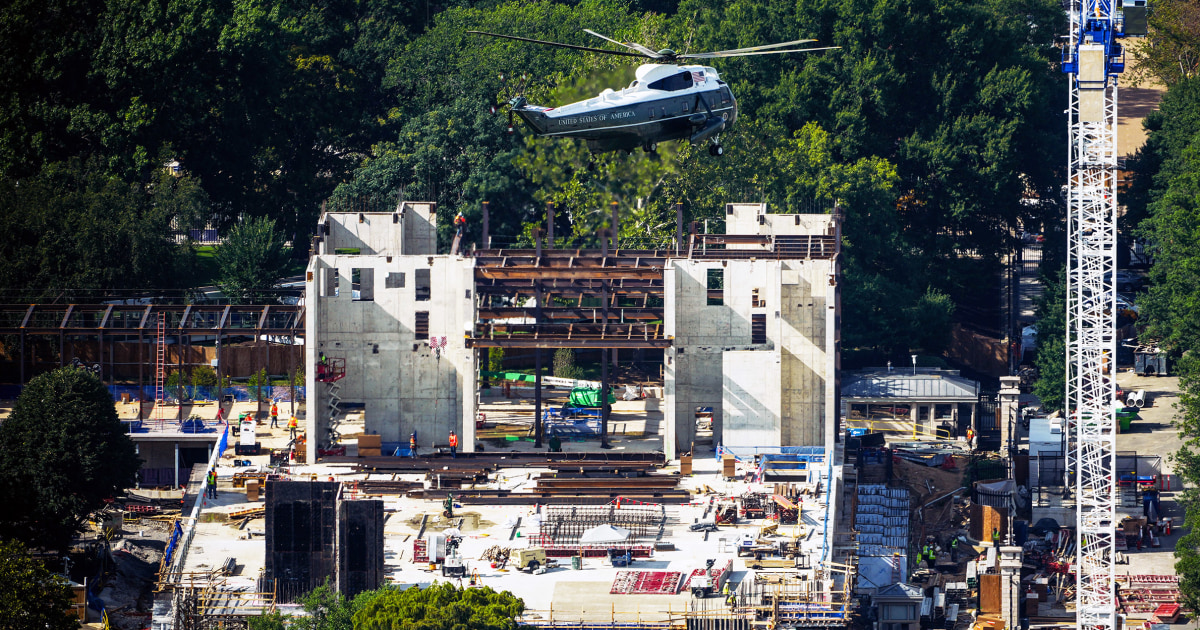
The Supreme Court has ruled in favor of President Donald Trump, allowing him to continue the construction of a new White House ballroom without any delays. The court's decision, with a 5-4 split, came after an emergency request from the Trump administration to block lower court rulings that had halted the aboveground portion of the project. Chief Justice John Roberts had previously issued a similar interim decision on the matter.
The legal challenge against the construction was brought by the National Trust for Historic Preservation, arguing that the president lacked the unilateral authority to proceed with the project. The court, in an unsigned ruling, suggested that the trust may not have the legal standing to bring the lawsuit and did not make a definitive judgment on Trump's authority to carry out the construction without congressional approval.
Despite the ongoing legal battle, construction of the ballroom has been progressing rapidly, with the administration reporting that it was 65% complete as of late August. The project, estimated to cost $400 million, is said to be funded entirely by private donations, although there are doubts about the accuracy of this claim. Some of the project's security enhancements have already been covered by Secret Service funds.
The overall plan for the new White House ballroom includes an extensive underground component with secure locations and medical facilities, which the administration argues are necessary for security purposes. While a federal judge had allowed the underground construction to proceed, the construction of the ballroom itself was put on hold pending the outcome of the litigation.
The National Trust for Historic Preservation's argument for standing in the case was based on a declaration by one of its members, Alison Hoagland, who expressed concerns about the impact of the ballroom's construction on her aesthetic, cultural, and historical interests. The trust contended that the government needed explicit congressional approval to build on federal land in Washington, D.C., while the administration cited other provisions of federal law to justify the construction.
In conclusion, the Supreme Court's decision to allow President Trump to continue with the construction of the White House ballroom is a significant victory for the administration. Despite ongoing legal challenges and concerns raised by preservationists, the project is moving forward, with construction well underway. The ultimate outcome of the legal battle and the completion of the ballroom remain to be seen.