Deliberation in the Murder Trial of Duane 'Keffe D' Davis: A Case of Circumstantial Evidence and Gang Ties
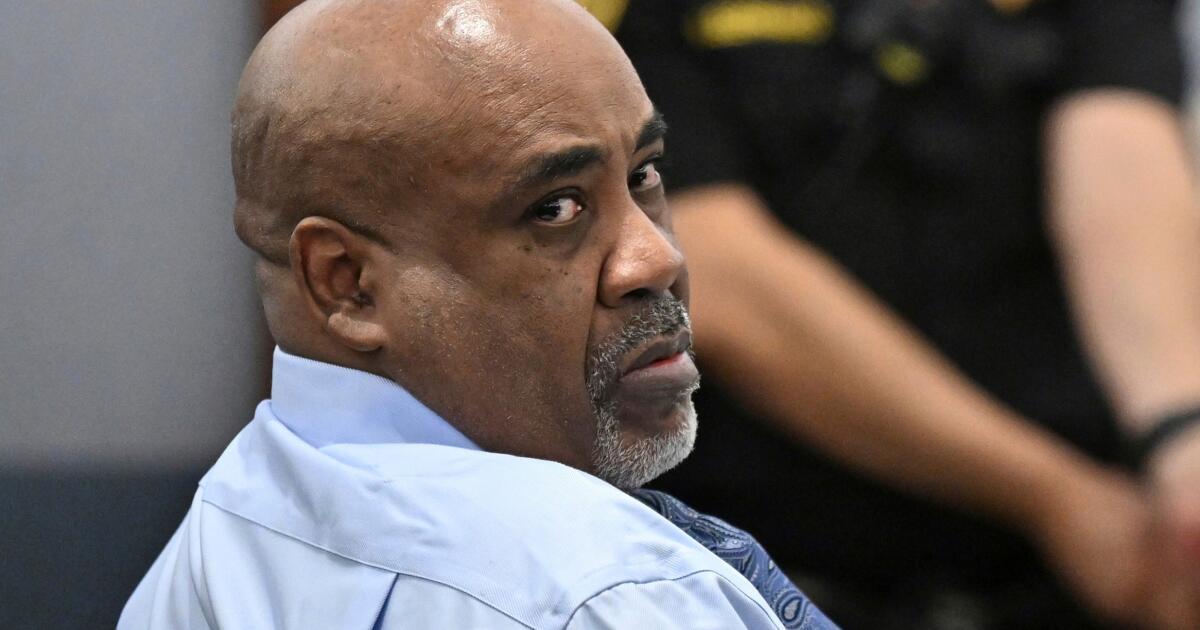
Jurors are currently deliberating in the murder trial of Duane “Keffe D” Davis, who is accused of being involved in the shooting of Tupac Shakur in Las Vegas in 1996. Prosecutors claim that Davis orchestrated the killing as an act of revenge after his nephew was beaten by Shakur, Suge Knight, and members of the Mob Piru gang. The prosecution argues that Davis acquired a gun, gathered his group, and went hunting for Shakur and Knight. The defense, however, argues that there is no physical evidence linking Davis to the crime scene.
During the trial, prosecutors presented circumstantial evidence linking Davis to the murder, including incriminating statements made by Davis in interviews. The defense countered by claiming that Davis fabricated his story to avoid a life sentence for drug dealing. They argued that the prosecution's case lacked forensics, eyewitnesses, and physical evidence placing Davis in the Cadillac with the shooter.
The shooting occurred when the Cadillac that Davis was riding in passed Shakur and Knight’s BMW. Prosecutors argued that Davis made a U-turn, passed a gun, and shot into Shakur and Knight’s car, resulting in Shakur's death. They emphasized that being part of a conspiracy makes someone guilty of murder in Nevada, even if they did not pull the trigger.
The prosecution played a recording of a 2008 LAPD interview in which Davis implicated others in the shooting. Davis claimed that Terrence Brown was the driver of the Cadillac, with Anderson and Smith in the back. He described handing the gun to Anderson, who fired the fatal shots. The prosecution highlighted the gang ties of Davis and his associates, as well as the alleged involvement of a Harlem drug dealer in providing the gun used in the shooting.
In closing arguments, the defense questioned the credibility of the prosecution's case, pointing out inconsistencies in witness testimony and police investigations. They criticized the lack of evidence linking Davis to the crime scene and raised doubts about the motives of law enforcement officials involved in the case. The defense argued that the prosecution's case was based on fiction rather than facts.
In conclusion, the murder trial of Duane “Keffe D” Davis has brought to light the complex web of events surrounding the shooting of Tupac Shakur. While the prosecution has presented circumstantial evidence linking Davis to the crime, the defense has raised doubts about the credibility of the case. The jury's decision will ultimately determine the outcome of this high-profile trial.